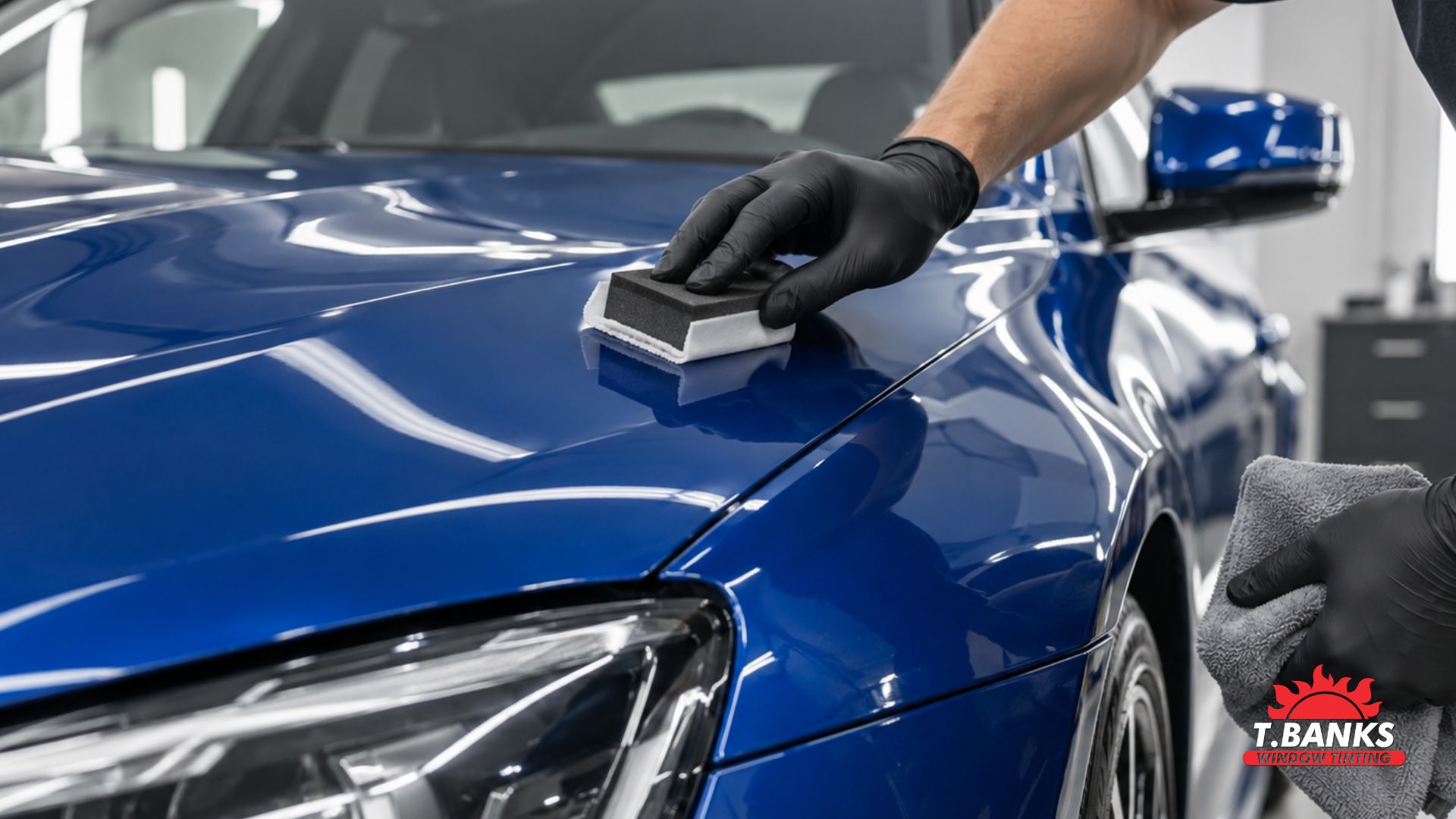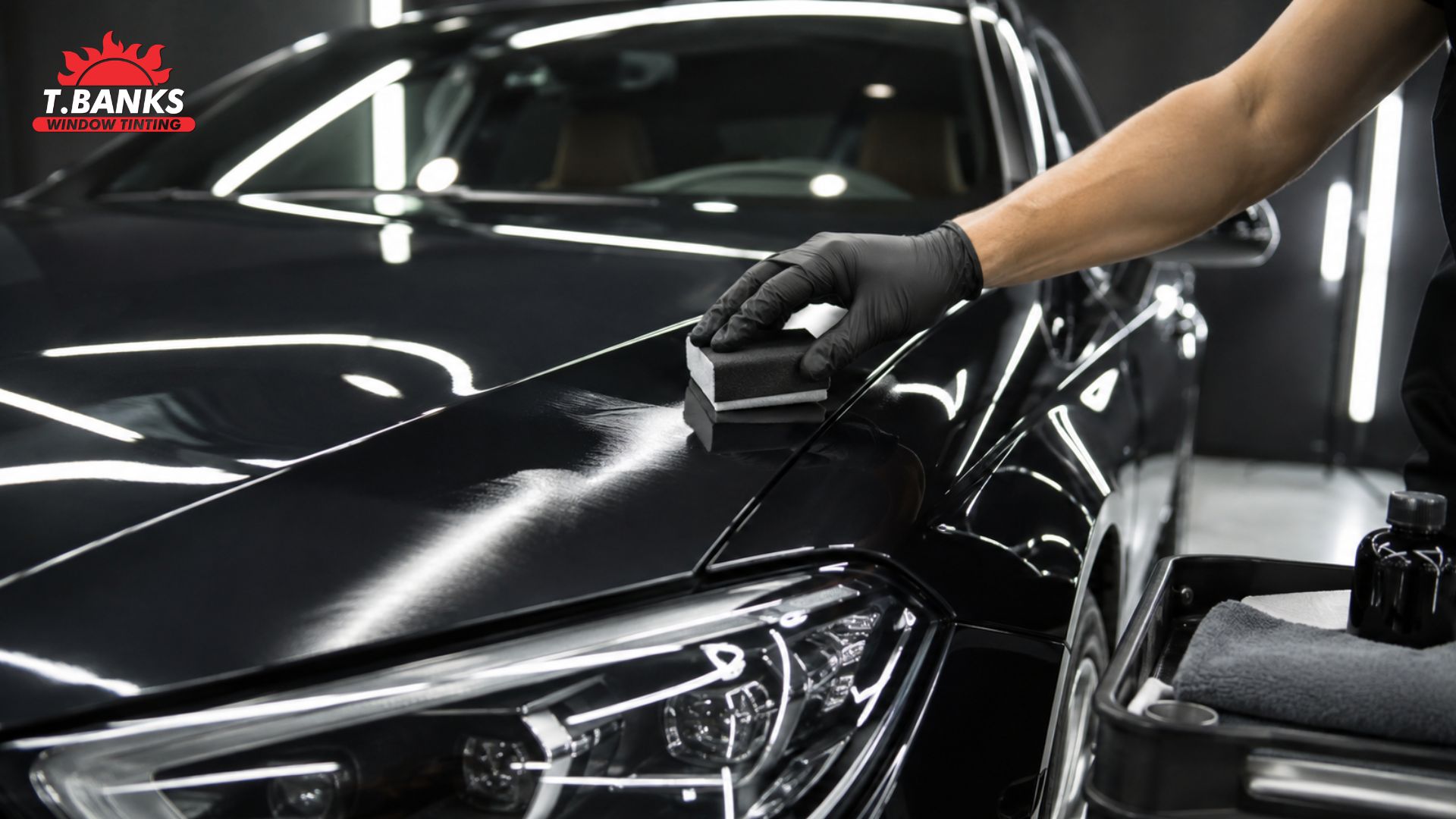
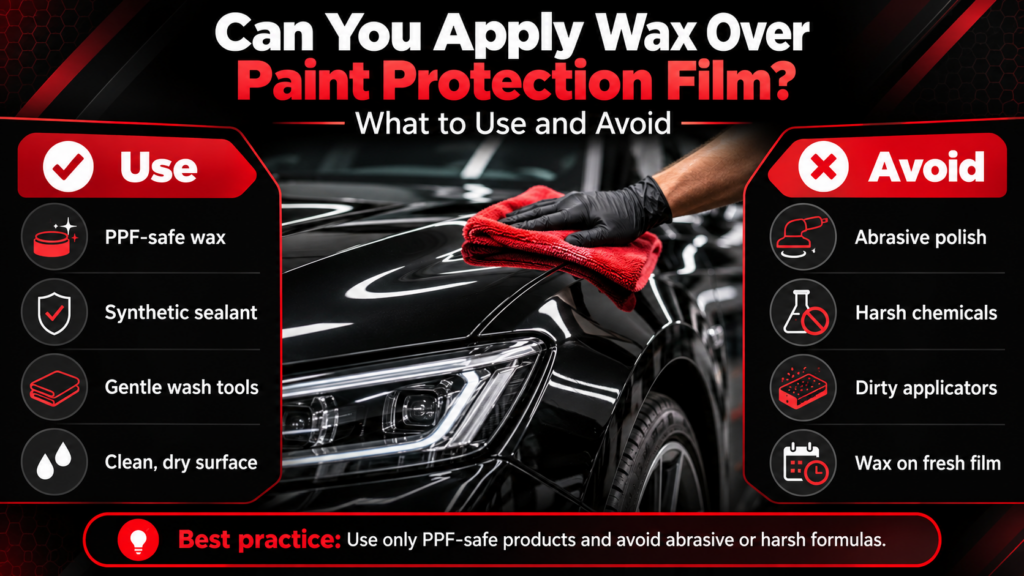
Yes, wax can be applied over many types of paint protection film, but compatibility matters. The safest choice is a product approved for the specific PPF and its top coat rather than assuming that any wax designed for automotive paint will work equally well on film.
Modern PPF changes the reason we use wax in the first place. Quality films typically have their own protective top layer engineered to resist staining, maintain surface clarity, and make contaminants easier to remove. Because of that, traditional automotive wax is not essential to the film’s core protective function.
Using the wrong product can actually complicate PPF maintenance. Certain formulations may leave residue around film edges, interfere with hydrophobic behavior, or create an uneven appearance. Matte and satin PPF deserve even more attention because products designed to enhance gloss can change the finish owners specifically chose the film to maintain.
That becomes relevant around Martinez, where Georgia pollen, insects, summer heat, rain, and everyday road exposure mean protected vehicles still need regular cleaning. After a professional PPF installation, following the film manufacturer’s care recommendations is more valuable than treating the surface exactly like ordinary clear coat.
Wax can be safely used over paint protection film when the product is compatible with the specific film and its top coat. However, modern PPF generally does not require traditional wax for its primary protection, and incompatible products can negatively affect appearance or surface performance.
What Type of Wax Is Safe for Paint Protection Film?
A PPF-safe wax should be non-abrasive, free of harsh solvents or aggressive cleaning ingredients, and compatible with the film manufacturer’s maintenance requirements. The formulation matters more than whether the product happens to come as a paste, liquid, or spray.
This is where reading the product label is genuinely worthwhile. A familiar detailing product may work beautifully on conventional clear coat without necessarily being the best option for a protective film. Products specifically identified as compatible with PPF or modern clear protective surfaces remove much of that uncertainty.
We also pay attention to the type of film. Gloss PPF and matte or satin PPF should not automatically receive the same products, particularly when a wax contains gloss-enhancing ingredients.
At T. Banks Window Tinting, our approach to PPF care is to work with the characteristics and maintenance requirements of the installed film rather than recommend wax simply because owners have traditionally used it on automotive paint. When choosing a wax for paint protection film, compatibility should come before shine.
What Products Should You Avoid Using on PPF?
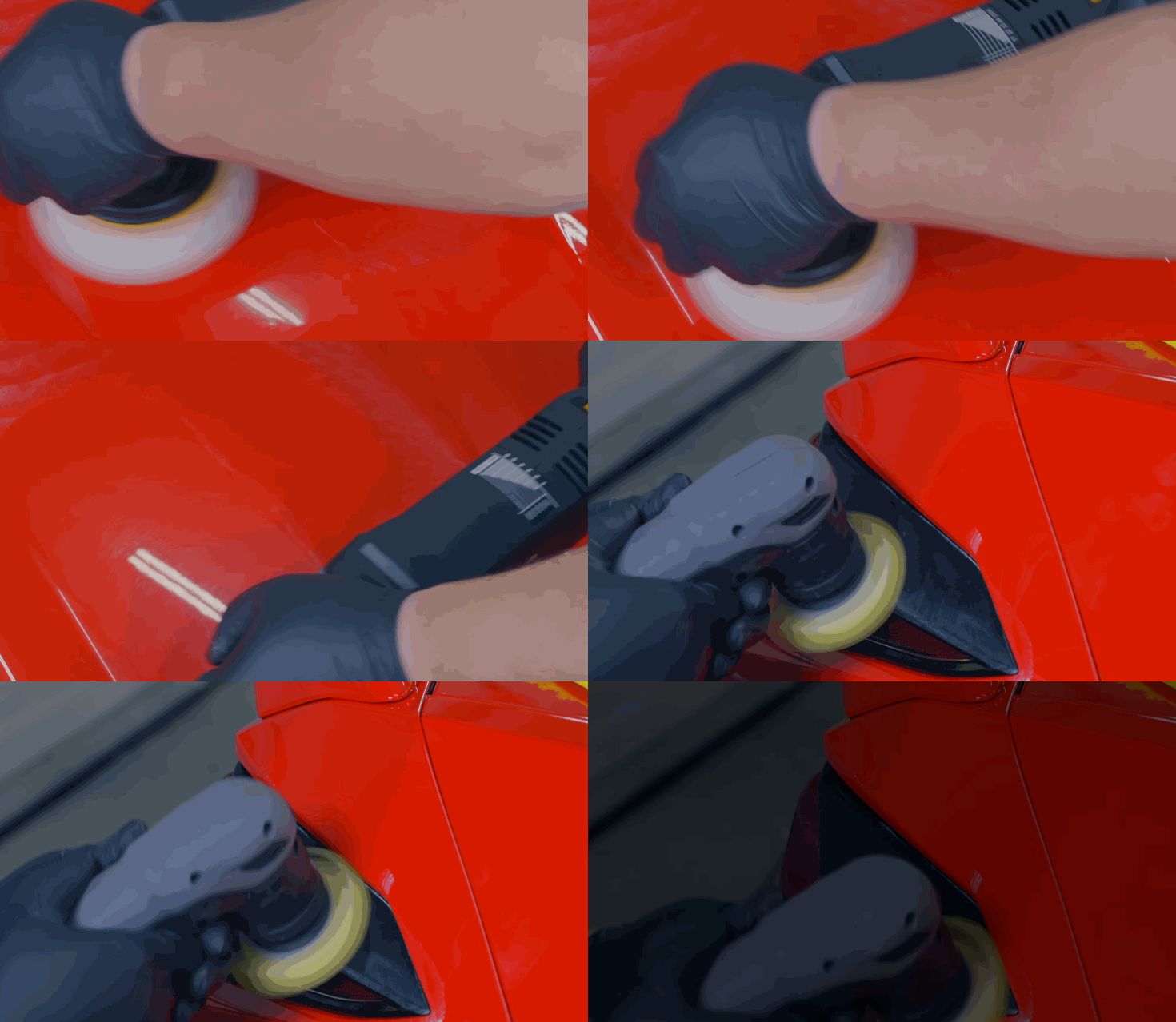
Abrasive compounds, harsh solvents, aggressive cleaners, and products that are not compatible with the specific film should be avoided on PPF. Paint protection film has its own surface characteristics, so a product that is appropriate for correcting bare automotive clear coat is not automatically appropriate for film.
Some of the main products to avoid on PPF include:
- Abrasive compounds and aggressive polishes that can unnecessarily alter or wear the film’s top surface.
- Harsh solvent-based cleaners unless specifically approved by the PPF manufacturer.
- Strong chemical cleaners that are not intended for protective automotive films.
- Dyed or heavily pigmented waxes that may leave visible residue, particularly around exposed film edges.
- Gloss-enhancing products on matte or satin PPF when they can change the film’s intended appearance.
Film edges deserve particular attention. Product buildup can collect along seams and exposed edges, making an otherwise clean installation look dirty or outlined. More product is not necessarily better.
Matte and satin finishes also make careful paint protection film care especially important. Once the goal is maintaining a uniform low-gloss appearance, adding a conventional product designed to increase shine works against the finish itself. Good PPF maintenance means choosing products according to what the film actually needs.
Does Paint Protection Film Need Wax to Stay Protected?
Modern paint protection film generally does not need traditional wax to continue providing its primary physical protection. The PPF itself is the protective barrier, so its ability to help defend paint against rock chips, road debris, light abrasions, and similar hazards does not depend on having a layer of wax over it.
That is an important distinction because PPF and wax perform very different jobs. Paint protection film has physical thickness and acts as a sacrificial layer between the road and the factory finish. Wax is a surface product. It cannot give PPF the impact resistance that comes from the film itself.
Modern films can also incorporate a PPF top coat designed to improve stain resistance, surface slickness, and ease of cleaning. Those characteristics are part of why paint protection film maintenance has evolved beyond the old habit of automatically waxing every exterior surface.
A compatible protectant can still have value. Depending on the product, it may enhance water behavior, appearance, or cleaning characteristics. It should simply be viewed as supplemental PPF protection, not as the reason the film can protect the paint underneath.
Can You Apply Ceramic Coating Over Paint Protection Film Instead of Wax?
A PPF-compatible ceramic coating can be applied over many modern paint protection films and may provide longer-lasting surface benefits than conventional wax. It can be a useful option for owners who want stronger hydrophobic behavior and easier maintenance without having to reapply a short-lived surface product as frequently.
Wax and Ceramic Coating Serve Similar Surface Goals Differently
Wax generally provides a temporary layer that can enhance appearance and water behavior. A compatible ceramic coating is designed to bond more durably to the surface, potentially providing longer-lasting hydrophobic properties and resistance to environmental contamination.
Neither one gives PPF its physical impact resistance. When discussing wax vs ceramic coating, we separate surface maintenance from actual impact protection. PPF remains responsible for helping absorb damage from road debris and light abrasions, while the coating primarily changes how the film’s surface interacts with water and contaminants.
Compatibility remains essential with ceramic coating over PPF, just as it does with wax. The coating should be appropriate for the particular film rather than selected as though it were being applied directly to factory paint.
At T. Banks Window Tinting, we look at PPF and coating as complementary forms of automotive paint protection when the combination fits the owner’s goals. A properly selected PPF coating can make sense for someone who wants the physical protection of film with a surface that is even easier to maintain.
How Should You Wash PPF Before Applying Wax or a Protectant?
Paint protection film should be thoroughly and safely cleaned before applying any compatible wax or surface protectant. Putting a product over pollen, road film, insect residue, or mineral deposits can trap contamination on the surface and leave you with a finish that looks worse rather than better.
When we clean paint protection film before adding a protectant, the process does not need to be aggressive. Careful washing is more important than heavy scrubbing.
- Rinse the vehicle thoroughly. Remove loose dust, pollen, and grit before making physical contact with the film.
- Hand wash with a PPF-safe automotive shampoo. Use clean, soft wash media and avoid excessive pressure.
- Inspect the surface. Look for remaining insects, mineral deposits, sap, or bonded contamination that may require a film-compatible removal method.
- Dry carefully. Use clean microfiber towels or another safe drying method, paying particular attention around film edges.
- Apply the compatible protectant. Only after the PPF is clean and dry should an approved wax or other surface product be applied according to its directions.
Film edges deserve a lighter touch during PPF washing. Aggressive scrubbing or directing high-pressure water too closely at an exposed edge can create unnecessary stress on the installation.
Maintenance frequency also depends on use. A vehicle sitting outside during a heavy Martinez pollen period may need attention sooner than a garage-kept car. Frequent trips around Martinez and Augusta can also leave insects and road film across the front end more quickly. Good PPF maintenance is less about following a rigid washing calendar and more about keeping contamination from sitting on the film longer than necessary.
How Does Martinez, GA Driving Affect PPF Maintenance?
Martinez conditions can make regular PPF cleaning more important, but they do not mean the film needs to be waxed constantly. Removing contamination at the right time generally does more for the appearance and condition of PPF than repeatedly adding new layers of product.
Georgia pollen is an obvious seasonal issue, but it is only part of what lands on a daily-driven vehicle. Insects can accumulate quickly during warmer months, intense summer sun can bake residue onto neglected surfaces, and rain can leave mineral deposits behind as water evaporates. Outdoor parking adds even more exposure between drives.
Regular travel along Washington Road, River Watch Parkway, or I-20 can also mean more road grime and insect residue, particularly across the bumper, hood, mirrors, and other forward-facing areas. Those are often the same panels protected during a partial-front or full-front PPF installation.
At T. Banks Window Tinting, we approach PPF maintenance in Martinez, GA according to the condition of the film rather than assuming every vehicle needs the same detailing routine. If the surface is becoming rough, stained, or difficult to clean, we can evaluate whether it needs straightforward PPF cleaning, deeper decontamination, or another compatible maintenance product. Consistent paint protection film care is more useful than simply covering neglected contamination with wax.
Can Wax Damage or Discolor Paint Protection Film?
An incompatible wax can potentially affect the appearance of PPF or leave unwanted residue, although a properly selected PPF-safe product should not normally damage quality film when used correctly. This is another reason we would not assume that every product marketed for automotive paint belongs on protective film.
Residue Can Look Like Film Damage
Wax can accumulate around seams and exposed edges, creating visible lines that make the installation appear dirty or discolored. Streaking and uneven product removal can also affect the finish. On matte or satin film, a gloss-enhancing formula may create an unwanted sheen or inconsistent appearance.
Apparent PPF discoloration is not always permanent yellowing of the material itself. Sometimes the culprit is surface contamination, staining, or wax residue sitting on top of the film. Identifying the cause matters because cleaning residue requires a very different response from replacing deteriorated film.
For unfamiliar products, checking both the wax instructions and the film manufacturer’s recommendations is the safer approach. Testing a product in an inconspicuous area when appropriate can provide another layer of caution. Good paint protection film maintenance is about preserving the film’s existing qualities, not experimenting with products that may work against them.
Conclusion: Use Products Designed to Protect Your PPF
Wax can be used on compatible paint protection film, but it is not automatically necessary, and choosing the right product matters more than simply adding another protective layer. Modern PPF already performs the primary job of physically protecting the paint, while wax or another compatible protectant serves a secondary surface-maintenance role.
Keeping PPF in good condition comes back to a few fundamentals: wash it safely, remove contamination before it becomes stubborn, avoid abrasive or incompatible chemicals, and follow the care recommendations for the specific film. A PPF-safe wax can have a place in that routine, but unnecessary product buildup should never take priority over keeping the film clean.
That approach is particularly practical for paint protection film in Martinez, GA, where pollen, insects, summer heat, road grime, and frequent driving can keep the surface busy throughout the year. Proper PPF maintenance should respond to those conditions without making vehicle care more complicated than it needs to be.
At T. Banks Window Tinting, we can help with professional PPF installation as well as the aftercare that follows it. If you’re considering paint protection film or aren’t sure which products are appropriate for PPF already installed on your vehicle, contact us. We can help you protect the film without using products it does not need.
T. Banks window tinting address
4.8 ⭐⭐⭐⭐⭐ 268 Google reviews Window tinting service in Martinez, Georgia