
Home window tint generally controls solar heat more effectively than curtains or blinds because it works directly at the glass, reducing solar energy before it spreads through the room. Curtains and blinds can certainly make a room feel cooler, but they primarily deal with sunlight and heat after it has already passed through the window.
That does not make traditional window treatments unnecessary. Curtains are excellent for privacy and decorating a room, while blinds provide convenient control over daylight and visibility. Actual heat performance also varies considerably depending on the glass, window orientation, film technology, and the material and construction of the window coverings.
For Martinez homeowners, the difference becomes especially relevant during Georgia’s long stretches of sunny, hot weather. A quality heat control window film can reduce the amount of solar energy entering frequently exposed rooms without requiring homeowners to spend the afternoon behind closed curtains.
For homeowners primarily concerned with heat, residential window tint has an important advantage over curtains and blinds: it manages solar energy at the window itself. Professional window tint installation can reduce solar heat gain while allowing useful natural light into the home, although results depend on the glass, film, and window exposure.
How Does Heat Enter Through Home Windows?
Windows contribute to indoor heat gain when solar energy passes through the glass and warms surfaces inside the home. Once sunlight heats floors, furniture, countertops, and walls, those surfaces release that energy into the surrounding room.
This is why residential window heat can feel surprisingly concentrated. The glass itself is only part of the equation. A large patch of sunlight hitting a hardwood floor or dark sofa can effectively turn that surface into a small source of radiant heat.
Window direction also matters. Large, uncovered windows facing west can receive intense afternoon sun, while south-facing glass may experience substantial exposure across the day. In Martinez, where warm conditions and strong sunshine can persist well beyond spring, repeated solar heat gain can leave certain rooms noticeably warmer than others.
Effective home heat reduction therefore involves controlling how much solar energy gets inside in the first place, rather than only trying to cool the room after its surfaces have already absorbed that energy.
How Does Home Window Tint Reduce Solar Heat?
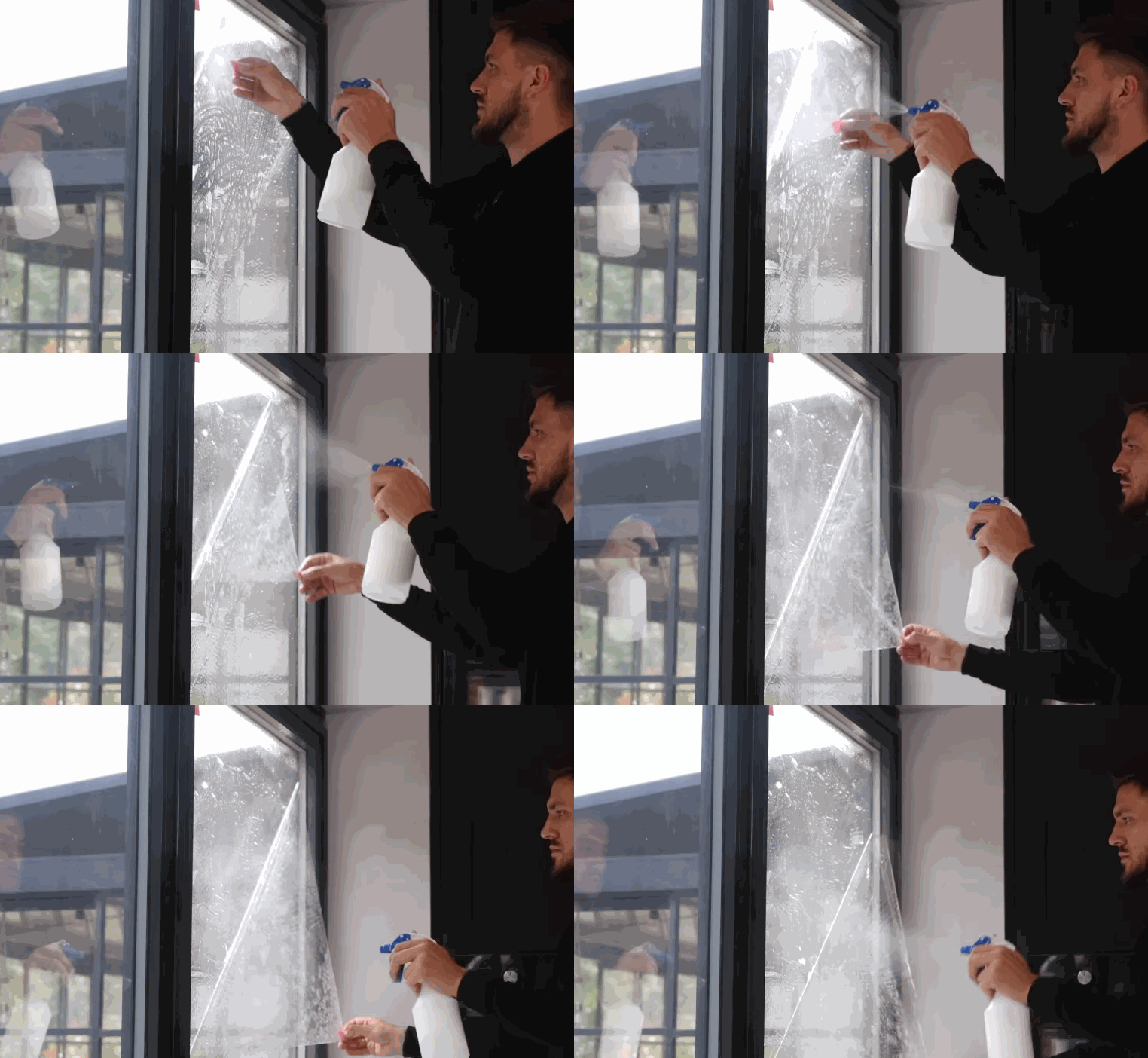
Residential window tint reduces solar heat by rejecting or absorbing a portion of incoming solar energy at the glass before that energy can significantly heat the home’s interior. This makes solar control window film fundamentally different from an interior covering placed several inches beyond the glass.
Modern films also give homeowners more flexibility than simply making a window darker. Depending on the product selected, substantial solar performance can be achieved while retaining useful natural light and maintaining a more open appearance.
There are several benefits working together. A heat rejection window film can make heavily exposed rooms more comfortable, glare reduction can make televisions and computer screens easier to view, and UV rejection provides another layer of protection for flooring, furniture, artwork, and other materials susceptible to fading.
At T. Banks Window Tinting, we consider the actual glass and sun exposure when recommending home window tint for Martinez properties. A window receiving punishing afternoon sun may call for a different approach than glass with limited direct exposure. Choosing residential window tint around those conditions gives the film a specific job rather than treating every window identically.
How Do Curtains and Blinds Compare for Heat Control?
Curtains and blinds can reduce direct sunlight and help with indoor comfort, but they generally interact with solar energy after it has passed through the window glass. Their effectiveness also varies significantly depending on material, construction, color, fit, and how completely they cover the opening.
Different window treatments have different strengths:
- Blackout curtains: Excellent for room darkening and privacy, with heavier designs also helping limit heat transfer into the occupied space.
- Standard curtains: Useful for privacy, decoration, and moderate light control, although thermal performance varies widely by fabric.
- Blinds: Provide convenient control over glare, daylight, and visibility but are not primarily designed as a solar heat rejection system.
- Shades: Performance depends heavily on design and material, with some specialized products providing better insulation or solar control than basic options.
Heavy coverings can improve home heat control, but there is an obvious tradeoff: they work best when they’re closed. That may mean sacrificing daylight and the view outside during the exact hours when the sun is strongest.
When comparing window film vs curtains or window tint vs blinds, we do not consider one a universal replacement for the other. Film addresses solar energy at the glass, while interior coverings remain particularly useful for privacy, aesthetics, and adjustable light control.
Can You Use Residential Window Tint With Curtains or Blinds?
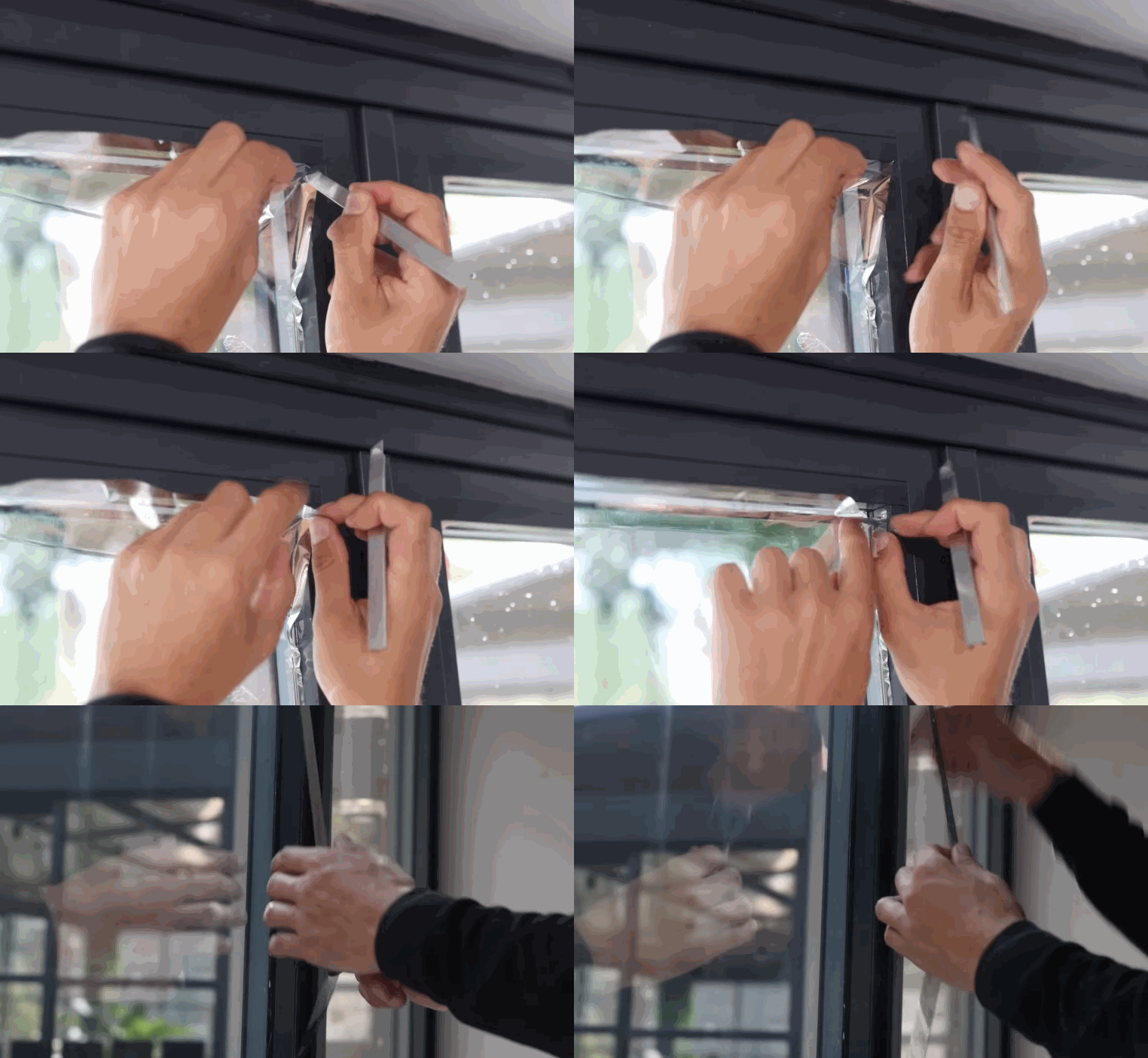
Yes. Residential window tint can be used alongside curtains or blinds, giving homeowners solar control at the glass while preserving adjustable privacy and light management inside the room. In many homes, combining them is more practical than choosing only one.
The film can handle much of the ongoing solar exposure without requiring daily adjustment. Curtains and blinds can then be opened or closed according to privacy, sleeping schedules, glare, or personal preference rather than serving as the home’s primary defense against afternoon heat.
This arrangement can also make a room feel less closed off. When home window film is already managing a portion of the heat and glare, homeowners may be comfortable leaving their window treatments open more frequently and enjoying natural daylight.
At T. Banks Window Tinting, we also consider existing coverings when helping Martinez homeowners select residential window tint. The objective is not to remove useful curtains or blinds. It is to let the film and interior treatments complement each other, with each handling the part of the job it does best.
Why Home Window Tint Makes Sense for Martinez, GA Homes
Home window tint can be especially useful in Martinez because extended summer heat and strong sunlight can make heavily exposed rooms noticeably harder to keep comfortable. Instead of blocking the view to deal with that heat, window film can reduce solar energy while allowing homeowners to continue using their windows normally.
Around Martinez and the greater Augusta area, the rooms that benefit most are often determined by the home’s layout. Large expanses of glass can admit considerable solar energy, while rooms receiving strong afternoon sun may feel warmer than the rest of the house. Living rooms, kitchens, home offices, and other spaces occupied throughout the day can make that temperature difference particularly noticeable.
There is also more at stake than comfort. Sunlight passing through residential glass can contribute to fading and deterioration of hardwood floors, rugs, furniture, artwork, and interior finishes. UV protection window film helps reduce that exposure without requiring those belongings to remain behind closed curtains.
For homeowners researching home window tint in Martinez, GA, this combination of residential heat reduction, UV protection, glare management, and preserved natural light is what makes film particularly practical for Georgia homes.
Does Home Window Tint Help With Cooling and Energy Use?
Home window tint can reduce solar heat gain, which may lower the amount of work required from a home’s cooling system. However, no responsible installer should promise that every Martinez homeowner will see the same reduction in energy use or utility costs.
Several characteristics determine how meaningful the difference may be:
- Window orientation: Glass receiving prolonged direct sun generally creates a different cooling challenge than shaded windows.
- Amount of glass: Larger window areas can allow more solar energy into a room.
- Existing glass: Single-pane, double-pane, coated, and other glass configurations behave differently.
- Home efficiency: Insulation and air sealing influence how easily indoor temperatures can be maintained.
- HVAC performance: System age, sizing, efficiency, and condition affect cooling demand.
- Film selection: Different films have different solar performance characteristics.
- Household habits: Thermostat settings and how rooms are used also influence overall energy consumption.
An energy-efficient window film is therefore one component of the home’s thermal performance rather than a guaranteed shortcut to a specific utility bill. Among the most practical residential window tint benefits is simply making sunny rooms more comfortable and helping reduce solar heat gain before the HVAC system has to compensate for it.
Why Professional Window Tint Installation Matters for Residential Glass
Professional window tint installation matters because the film needs to be compatible with the home’s specific glass and installed correctly to deliver reliable long-term performance. Residential windows are not all constructed the same way, so choosing a film based only on appearance or darkness can overlook important technical considerations.
The Glass Comes First
Before installation, the existing glass should be evaluated. Pane configuration, coatings, window condition, and solar exposure can influence which films are appropriate. This is an important distinction between professional residential window tint and simply purchasing a generic film without evaluating the window itself.
Preparation Determines the Finish
Clean glass is essential. Dust, hair, residue, and other contaminants trapped during application can remain visible beneath the film. Careful surface preparation gives the installer a clean foundation before the material is measured, cut, positioned, and applied.
Accurate trimming and edge finishing also affect how integrated the film looks once installed. Afterward, the material needs appropriate time to cure, and some temporary haziness or moisture may be visible during that process depending on the product and conditions.
At T. Banks Window Tinting, our approach to home window film installation starts with understanding the glass rather than assuming one film belongs on every window. Proper product selection and installation workmanship are both necessary if the finished system is expected to perform as intended.
Conclusion: Control Georgia Heat at the Window
Residential window tint offers a practical advantage against Georgia heat because it manages solar energy at the glass rather than relying entirely on coverings inside the room. That distinction allows homeowners to address heat and glare while retaining more flexibility over daylight and their view.
Curtains and blinds still have an important place in the home. They provide privacy, decorative value, and adjustable light control. Window film brings a different set of strengths, including solar heat rejection, glare reduction, UV protection, and continuous performance without needing to open or close anything.
Choosing the correct film is just as important as deciding to install it. Glass compatibility, solar exposure, desired appearance, and professional window tint installation all influence the finished result.
At T. Banks Window Tinting, we provide residential film solutions based on the actual windows and needs of each property. If you’re considering home window tint Martinez GA, contact us to have your windows evaluated and discuss which residential window tint options make the most sense for your home.
T. Banks window tinting address
4.8 ⭐⭐⭐⭐⭐ 268 Google reviews Window tinting service in Martinez, Georgia