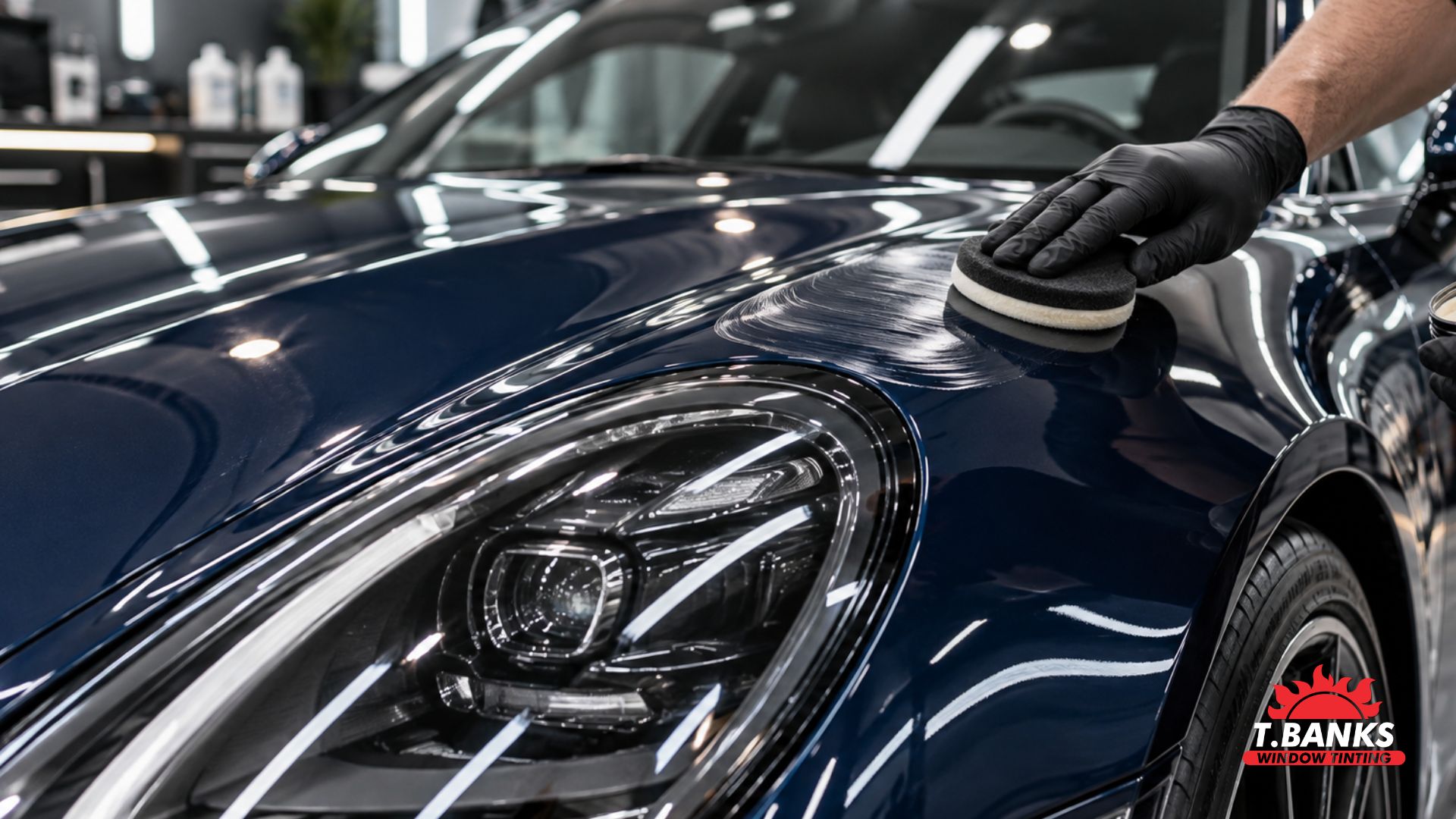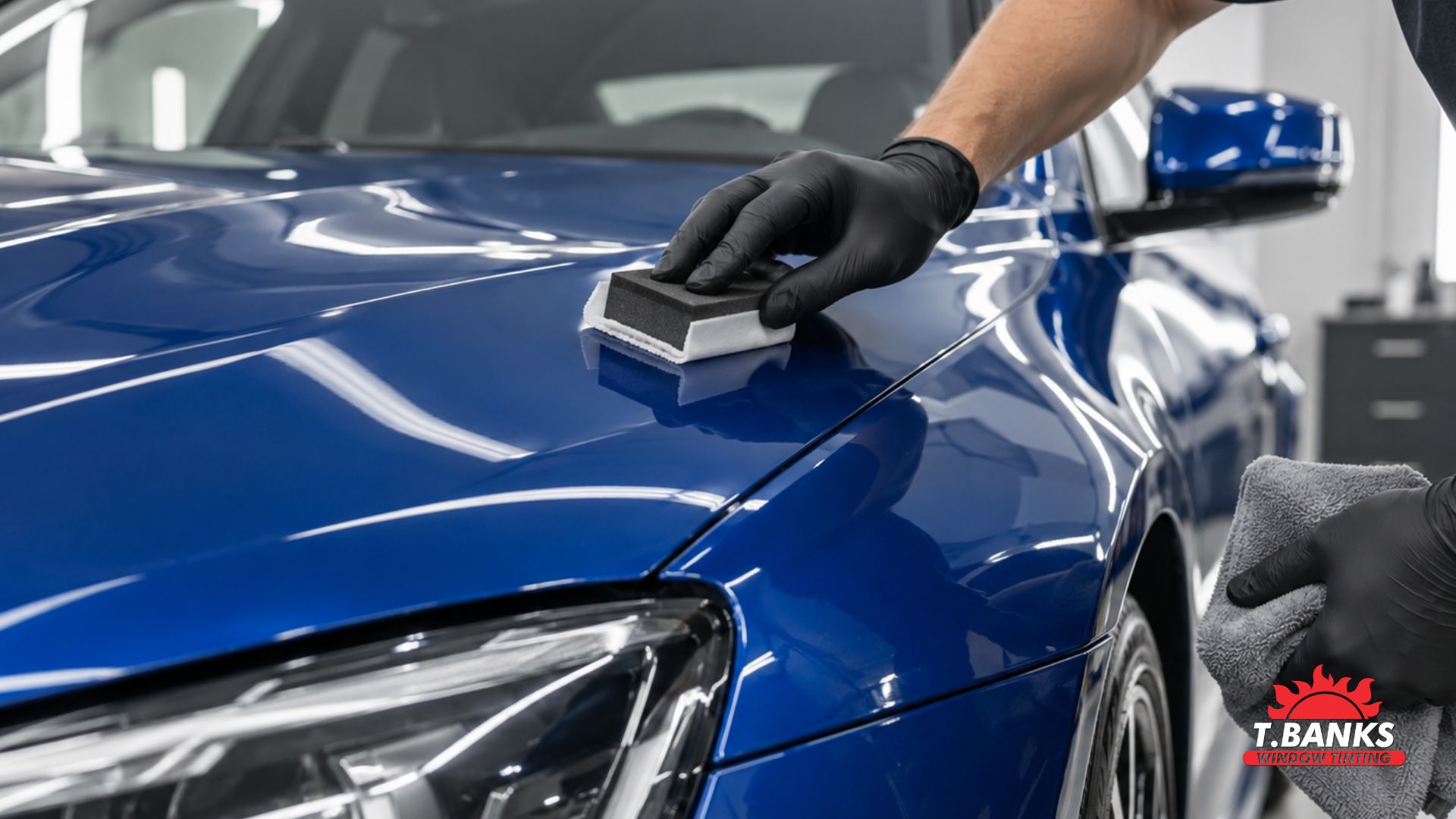
Yes, Paint Protection Film is often worth it for daily drivers because it helps reduce the paint damage that naturally accumulates from regular use. Vehicles that spend time on highways, sit outdoors, and encounter road debris every day are exposed to far more wear than cars driven occasionally. For many owners, the value comes from preserving the vehicle’s appearance while reducing the need for future cosmetic repairs.
Whether a PPF installation makes sense depends on several factors. How often you drive, the roads you use most, and how long you plan to keep the vehicle all influence the return on that investment. Someone who drives throughout Martinez and Augusta every day will typically face different paint protection challenges than someone who only drives on weekends.
That’s why daily driver paint protection has become a growing priority. Modern vehicles encounter constant exposure to conditions that gradually wear down the finish, and once paint damage appears, reversing it is usually more difficult than preventing it in the first place.
What Threats Does a Daily Driver Face in Martinez, GA?
Daily-driven vehicles experience paint damage more often simply because they spend more time exposed to the environment. Every mile driven creates another opportunity for the paint to encounter debris, contaminants, and impact damage.
Around Martinez, those risks come from several directions. Commuters traveling along Washington Road, River Watch Parkway, or I-20 regularly encounter loose gravel, tire-thrown debris, insects, and airborne contaminants. Individually, these hazards may seem minor. Over months and years, however, they create visible wear that becomes harder to ignore.
Small Impacts Add Up
A single rock chip may not seem significant. But hundreds of small impacts over time gradually change the appearance of the front end of a vehicle.
Environmental Exposure Never Stops
Road debris is only part of the equation. Bug residue, bird droppings, tree sap, and other contaminants can affect paint if they remain on the surface for extended periods.
The Front of the Vehicle Takes the Most Abuse
The areas facing forward encounter the majority of these impacts. That’s why so much of modern vehicle paint protection focuses on shielding surfaces that absorb the highest level of exposure.
The challenge isn’t usually one major event. It’s the cumulative effect of daily driving. That’s exactly why road debris protection and proactive paint damage prevention have become increasingly important for drivers who want to keep their vehicles looking newer for longer.
What Does Paint Protection Film Actually Protect Against?
Paint Protection Film is designed to absorb and disperse minor impacts before they reach the painted surface underneath. Rather than allowing debris to strike the paint directly, the film acts as a sacrificial layer that helps preserve the factory finish.
Many drivers are surprised by the range of threats modern PPF can address. While rock chips are often the first thing people think about, they’re far from the only concern.
Common Hazards PPF Helps Defend Against
Modern automotive paint protection films can help reduce damage from road debris, bug splatter, bird droppings, light surface scratches, and everyday environmental contaminants. These are the types of issues that slowly diminish a vehicle’s appearance over time.
Understanding What PPF Cannot Do
It’s equally important to understand that PPF is not indestructible. It cannot prevent damage from major collisions, severe impacts, or every possible source of paint damage. The goal is risk reduction, not complete elimination.
At T. Banks Window Tinting, we often explain that the best way to think about PPF is as a preventative measure. The film helps intercept many of the common threats vehicles encounter every day, making it one of the most practical paint protection solutions available for preserving appearance over time.
When people talk about Paint Protection Film benefits, the conversation often starts with rock chips. In reality, the protection extends much further than that.
Which Areas of a Daily Driver Benefit Most from PPF?
Paint damage rarely occurs evenly across a vehicle. Certain sections consistently absorb more abuse than others, which is why strategic protection often delivers the greatest value.
- Front bumper
- Hood leading edge
- Side mirrors
- Front fenders
- Door edge and handle areas
- Rocker panels
These are the most common PPF coverage areas because they experience repeated exposure to debris, impacts, and contact from everyday use. The front bumper and hood typically receive the highest concentration of road debris, while rocker panels constantly face contamination kicked up from the tires.
For many drivers, comprehensive coverage isn’t always necessary. A targeted vehicle protection film package focused on high-impact surfaces often provides an excellent balance between protection and cost. That’s why front end protection remains one of the most popular options among daily drivers who want meaningful protection without covering every painted panel.
How Does PPF Compare to Repairing Paint Damage Later?
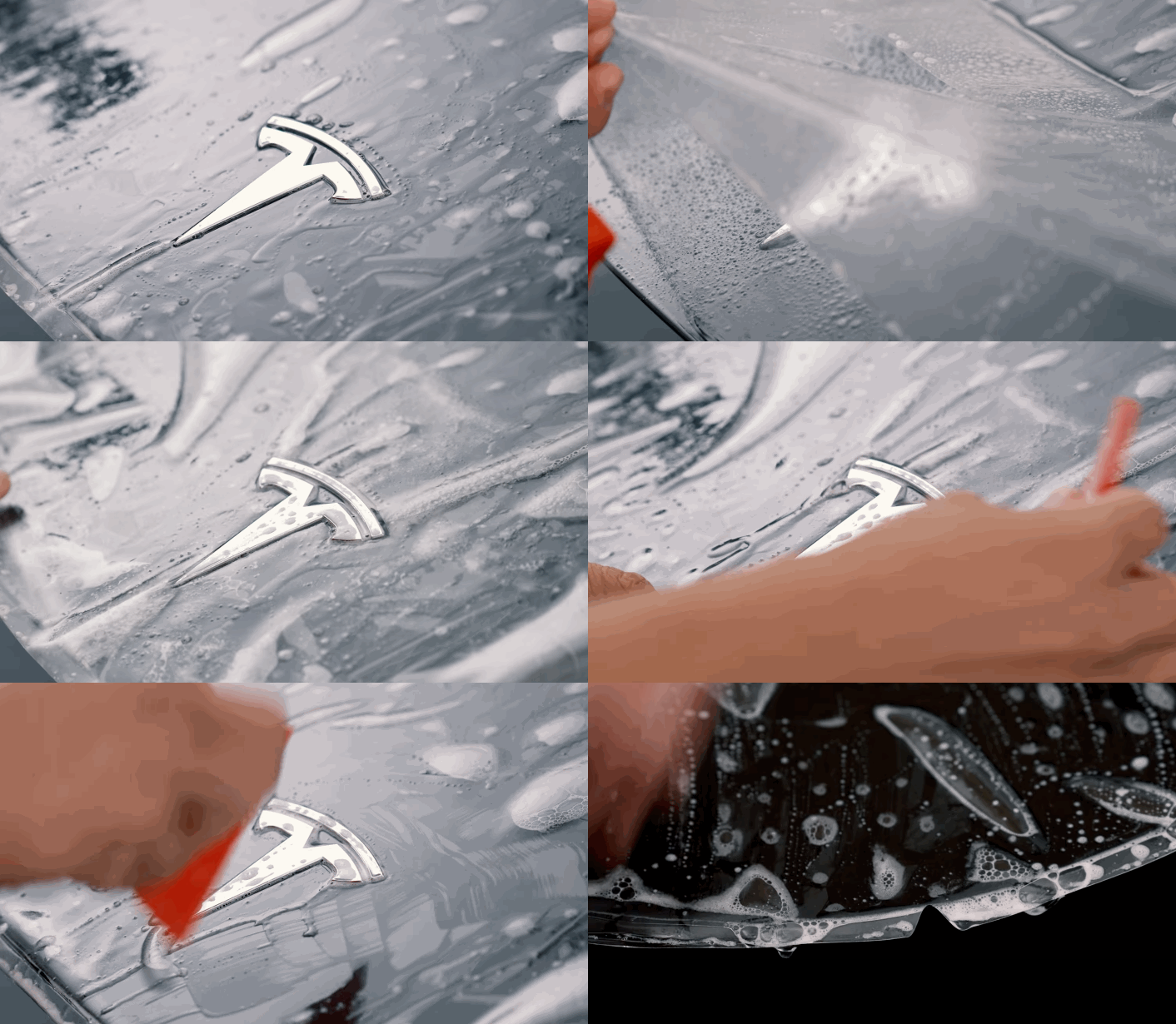
For most vehicle owners, preventing paint damage is usually less disruptive than trying to correct it after it appears. Once chips, scratches, and surface defects reach the paint, the available solutions often become more time-consuming and expensive.
Paint correction can improve certain imperfections, but it cannot replace missing paint. Touch-up work may help reduce visibility, but matching factory finishes perfectly is not always straightforward. More significant damage may eventually require repainting affected panels.
Protection Versus Correction
There is a fundamental difference between preserving original paint and attempting to restore it. Original factory finishes tend to maintain better consistency than repaired surfaces, which is one reason many drivers focus on prevention rather than correction.
Future Costs Are Part of the Equation
When evaluating long-term paint protection, it helps to consider the potential expenses associated with repeated cosmetic repairs. Paint correction services, touch-ups, and paint chip repair can add up over the life of a vehicle, particularly for drivers who spend significant time on the road.
For owners who care about vehicle appearance preservation, PPF often becomes less about avoiding a single repair and more about reducing the accumulation of damage that naturally occurs over years of daily driving.
When Is Paint Protection Film Most Worth the Investment?
PPF delivers the most value for drivers who spend a significant amount of time on the road, regularly drive on highways, or plan to keep their vehicles for many years. The more exposure a vehicle has to road hazards, the more opportunities there are for paint damage to accumulate over time.
For daily commuters around Martinez and Augusta, that exposure adds up quickly. Highway travel on I-20, frequent trips through busy corridors, and long hours parked outdoors all increase the chances of chips, scratches, and surface wear. Newer vehicles often benefit the most because protecting paint early is usually easier than trying to restore it later.
Ownership Plans Matter
Someone planning to trade in a vehicle after a year or two may evaluate protection differently than someone who intends to keep it for a decade. The longer the ownership period, the more time PPF has to provide value through preserved paint condition.
Appearance Influences Resale
Paint condition is one of the first things people notice when evaluating a used vehicle. Reducing visible chips and wear can contribute positively to perceived quality and overall vehicle resale value.
At T. Banks Window Tinting, we regularly help drivers evaluate whether a particular PPF investment aligns with their goals.
Some people prioritize appearance, others focus on preserving value, and many simply want reliable long-term vehicle protection for a vehicle they plan to enjoy for years.
Common Misconceptions About Paint Protection Film
Modern PPF technology has improved significantly over the years, yet many misconceptions still influence how drivers view the product. Understanding what Paint Protection Film actually does can make it much easier to determine whether it fits your needs.
- PPF is only for luxury vehicles
- Full vehicle coverage is always necessary
- PPF changes the appearance of the paint
- Paint Protection Film eliminates all damage risks
- PPF requires extensive maintenance
Many of these assumptions come from older products or incomplete information. Today’s films are used on everything from family SUVs and pickup trucks to performance cars and luxury vehicles. Likewise, many drivers choose targeted protection instead of full-body coverage because it better matches their driving habits and budget.
Separating PPF myths from actual Paint Protection Film facts helps drivers make more informed decisions. When viewed realistically, PPF becomes one of several practical vehicle protection solutions, not an all-or-nothing product reserved for a specific type of vehicle owner.
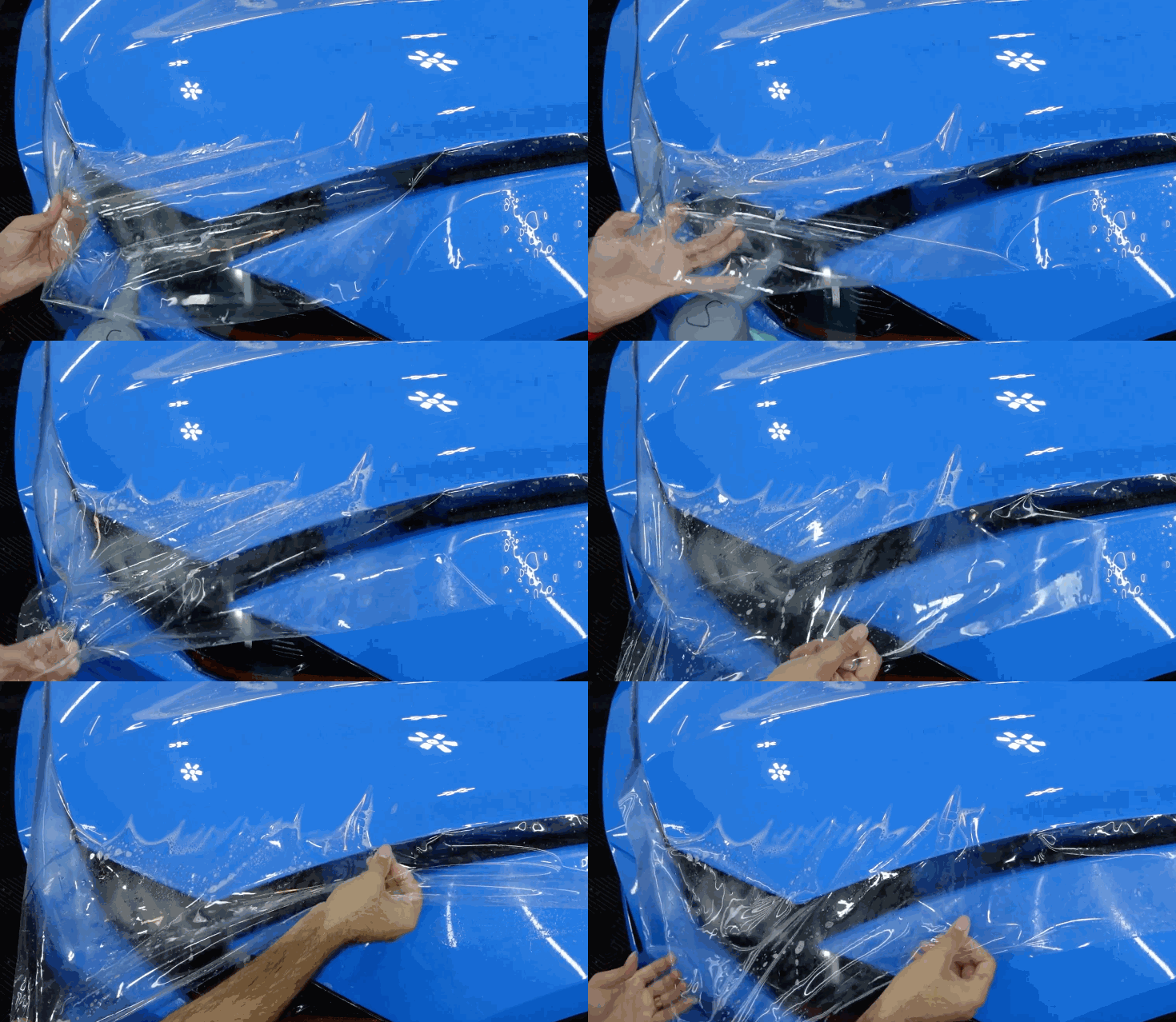
Why Professional PPF Installation Matters
Installation quality directly affects how Paint Protection Film looks, how long it lasts, and how effectively it protects the paint underneath. Even premium film can underperform if it’s applied incorrectly.
Successful installation starts long before the film touches the vehicle. The paint surface must be thoroughly cleaned and prepared to ensure proper adhesion. Once installation begins, precision becomes critical. Film alignment, edge wrapping, and accurate trimming all contribute to a cleaner appearance and stronger long-term performance.
Preparation Creates the Foundation
Any contamination trapped beneath the film can affect both appearance and adhesion. Proper preparation helps create a smooth surface that allows the film to perform as intended.
Details Matter
Clean edges, consistent alignment, and careful placement make a significant difference in how natural the final installation looks. These details also help reduce the risk of lifting or premature wear.
Professional Techniques Extend Film Life
A proper PPF installation helps maximize durability by ensuring the film is positioned and secured correctly from the start.
At T. Banks Window Tinting, we view professional Paint Protection Film installation as a precision process rather than a simple application. Our focus on preparation, fitment, and quality control helps ensure that the film performs the way it was designed to. That’s a major reason drivers seeking paint protection film services often prioritize installation expertise as much as the product itself.
Conclusion: Protect Your Daily Driver Before Damage Happens
Paint Protection Film can be a worthwhile investment for many Martinez drivers because it helps prevent the gradual paint damage that daily driving often creates. Instead of waiting for chips, scratches, and wear to appear, PPF allows owners to take a proactive approach to preserving their vehicle’s finish.
Throughout this article, we’ve looked at the threats daily drivers face, the protection PPF can provide, and the situations where it tends to deliver the greatest value. While every driver has different priorities, protecting paint before damage becomes visible is often easier than trying to restore it afterward.
At T. Banks Window Tinting, we help local vehicle owners evaluate protection needs based on how they actually use their vehicles. Whether you’re considering partial coverage or a more comprehensive solution, our team can help you choose an approach that fits your goals and budget.
If you’re interested in Paint Protection Film Martinez GA drivers trust for long-term results, contact us today for a free consultation or quote. We’ll help you explore your options for PPF installation and recommend paint protection film services Martinez GA tailored to your vehicle and driving habits.
T. Banks window tinting address
4.8 ⭐⭐⭐⭐⭐ 268 Google reviews Window tinting service in Martinez, Georgia