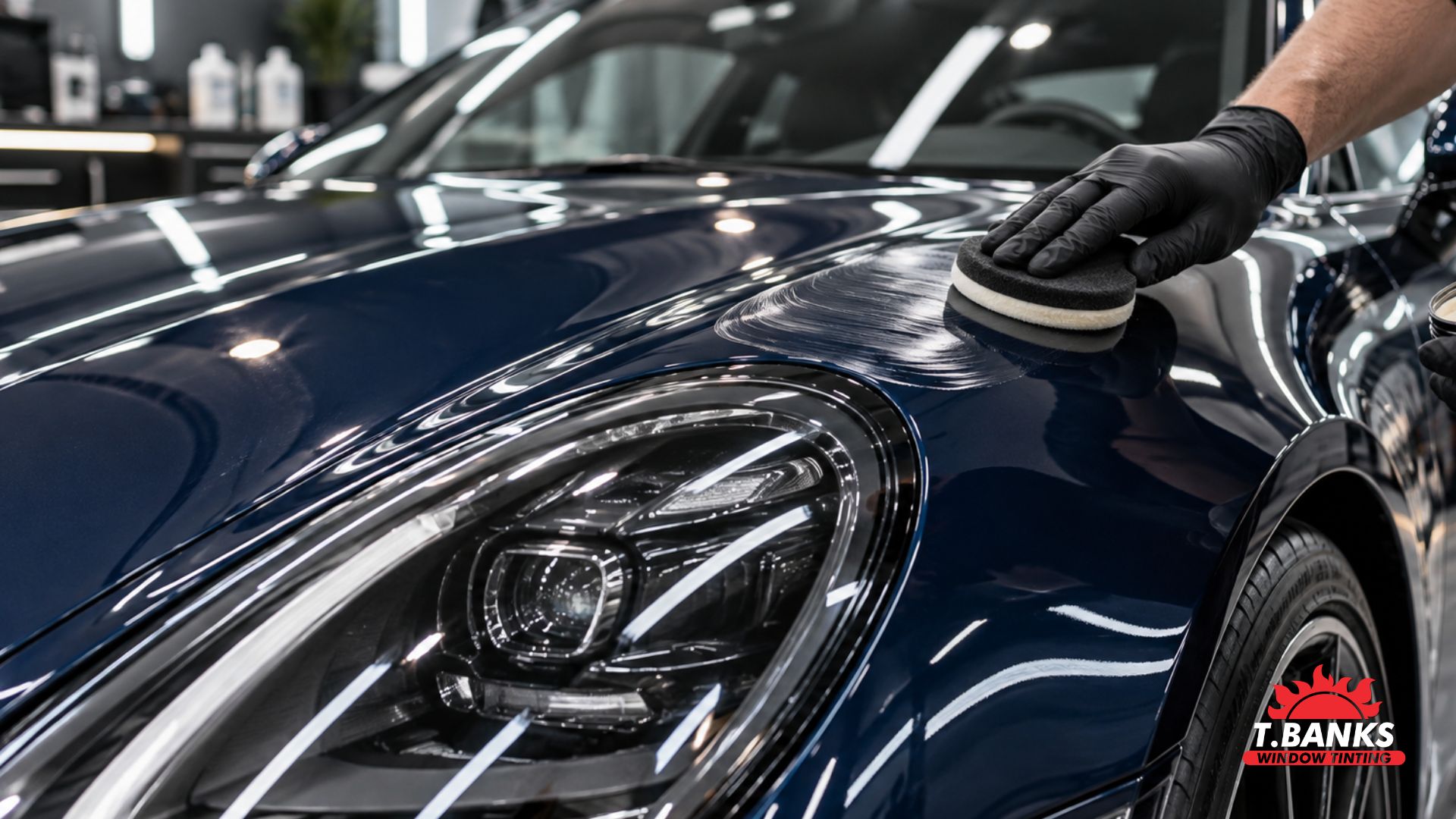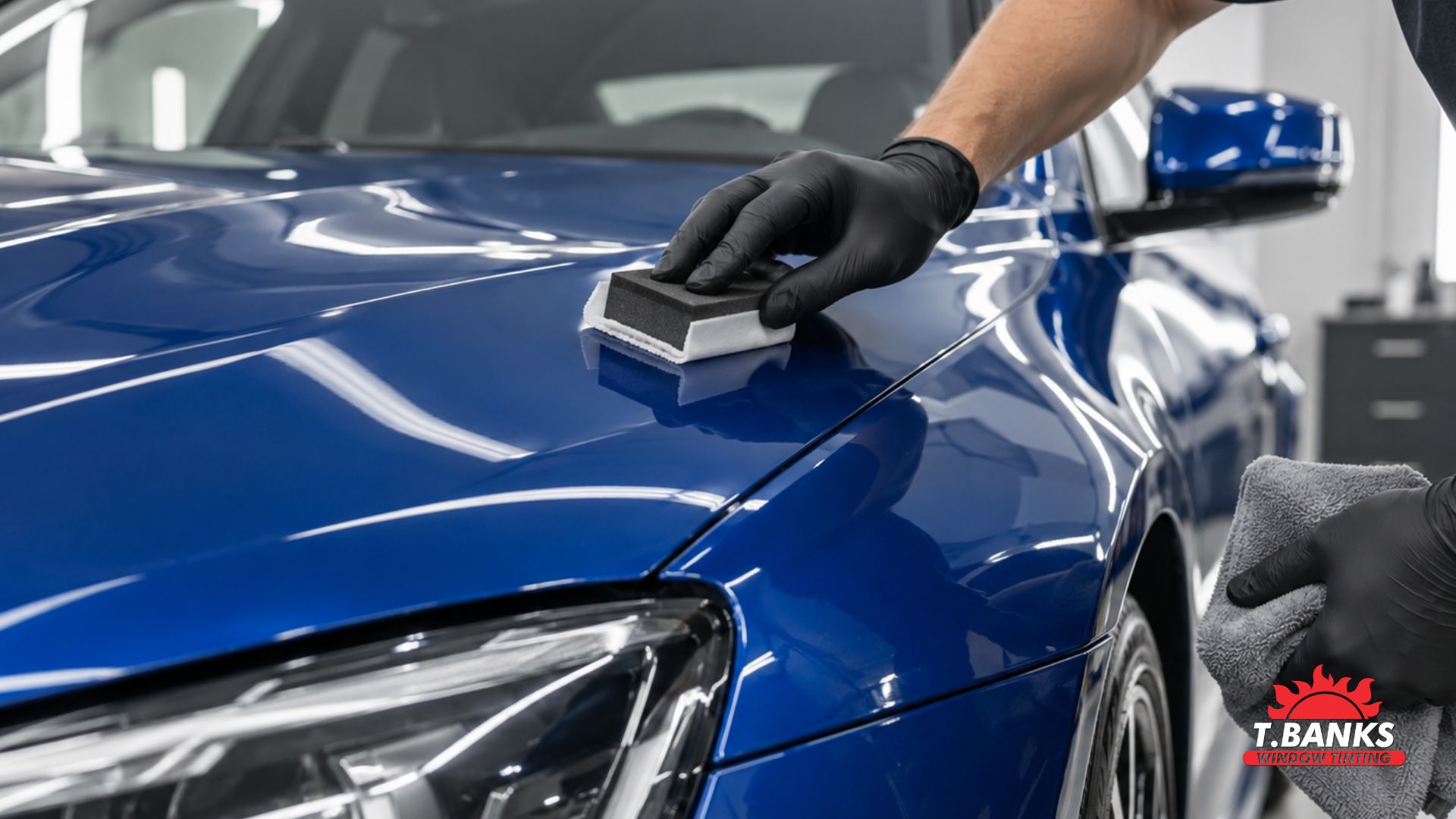
Quality paint protection film typically lasts between 5 and 10 years, depending on the quality of the film, installation methods, driving conditions, and ongoing maintenance. Georgia’s climate presents unique challenges, but a properly installed film can continue protecting your vehicle for many years when it’s cared for correctly.
Heat, humidity, heavy rain, pollen, insects, and constant road debris all play a role in paint protection film lifespan. These conditions don’t automatically shorten the life of the film, but they do increase the importance of choosing a high-quality product and working with experienced professionals.
Professional PPF installation services are one of the biggest factors in long-term performance. The film itself is only part of the equation. Proper preparation, precise installation, and routine maintenance all contribute to how well paint protection film holds up against years of everyday driving in Georgia.
What Affects PPF Lifespan in Georgia?
PPF lifespan depends on several variables, including climate, driving frequency, film quality, and how well the vehicle is maintained after installation. No two vehicles experience the same conditions, which is why some films last longer than others even when installed at the same time.
Georgia exposes vehicles to a demanding mix of environmental conditions. Long periods of UV exposure, intense summer heat, humidity, seasonal storms, and pollen all place continuous stress on exterior surfaces. Add regular highway driving, and the film also has to withstand constant impacts from gravel and airborne debris.
Climate Plays a Constant Role
Unlike isolated weather events, Georgia’s climate affects vehicles almost year-round. Heat cycles expand and contract materials, while moisture, tree sap, and pollen continue interacting with the film’s surface throughout each season.
Driving Habits Make a Difference
Someone commuting daily between Martinez and Augusta along I-20 or spending significant time on Washington Road will expose the film to more debris than someone who drives only occasionally. Increased mileage naturally creates more opportunities for wear.
Maintenance Influences Longevity
Routine washing and prompt removal of contaminants help preserve clarity and surface condition. Allowing bug residue, bird droppings, or road grime to remain on the film for extended periods can gradually affect appearance.
When these factors are managed properly, Georgia paint protection film continues delivering reliable vehicle paint protection for years. That’s why long-term performance depends on the combination of quality materials, driving conditions, and consistent care rather than any single factor alone.
How Georgia Weather Impacts Paint Protection Film
Georgia weather can either support or shorten PPF performance depending on how the film is installed and maintained. Modern films are built to withstand harsh environments, but local conditions still influence how they age over time.
Summer sunshine exposes vehicles to high levels of UV radiation almost every day. Heavy rain, humidity, pollen, bug splatter, and tree sap create additional challenges that the film encounters throughout the year. Fortunately, today’s premium products are engineered with these types of conditions in mind.
Modern Films Handle Heat Better
Older generations of film were more susceptible to yellowing and surface discoloration. Modern self-healing paint protection film incorporates advanced materials designed to maintain clarity while resisting stains and weather-related deterioration much more effectively.
Everyday Contaminants Matter
Tree sap, insects, pollen, and bird droppings don’t necessarily damage the film immediately, but removing them promptly helps preserve both appearance and long-term performance.
At T. Banks Window Tinting, we’ve seen firsthand how Georgia’s climate affects different vehicles over the years. Choosing quality paint protection solutions designed for strong UV protection for cars, combined with proper maintenance, gives drivers the best opportunity to maximize film lifespan.
Does Professional PPF Installation Help Film Last Longer?
Yes. Professional PPF installation helps maximize film lifespan because proper installation improves adhesion, alignment, and long-term durability. Even the highest-quality film cannot perform at its full potential if it’s installed incorrectly.
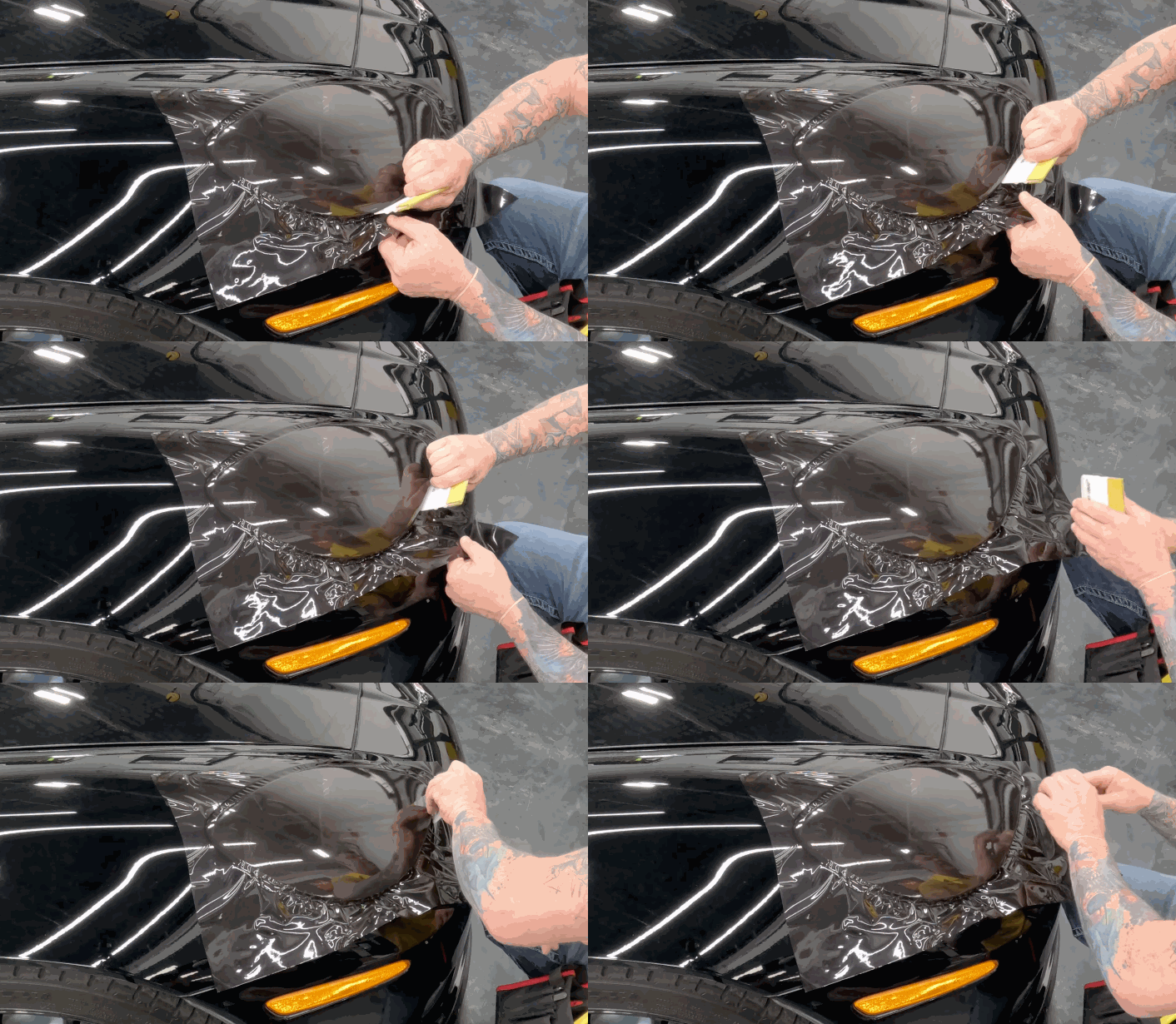
Successful installation begins with meticulous paint preparation. Every surface must be cleaned thoroughly to remove contaminants that could interfere with adhesion. From there, precise film positioning, careful alignment, and wrapped edges all contribute to a cleaner finish and stronger protection.
Installation Quality Affects Long-Term Performance
Poor installation often reveals itself over time rather than immediately. Lifting edges, trapped debris, uneven seams, and premature wear frequently stem from preparation or application issues instead of the film itself.
Precision Extends Film Life
Professional installers use techniques that minimize stress on the film while creating a tighter, more durable fit around complex body panels and edges.
At T. Banks Window Tinting, our PPF installation services focus on every stage of the process, from surface preparation to final inspection. Attention to detail during professional paint protection film installation helps maximize durability, which is why choosing an experienced PPF installer Georgia drivers can trust is just as important as selecting the film itself.
Signs Your Paint Protection Film May Need Replacement
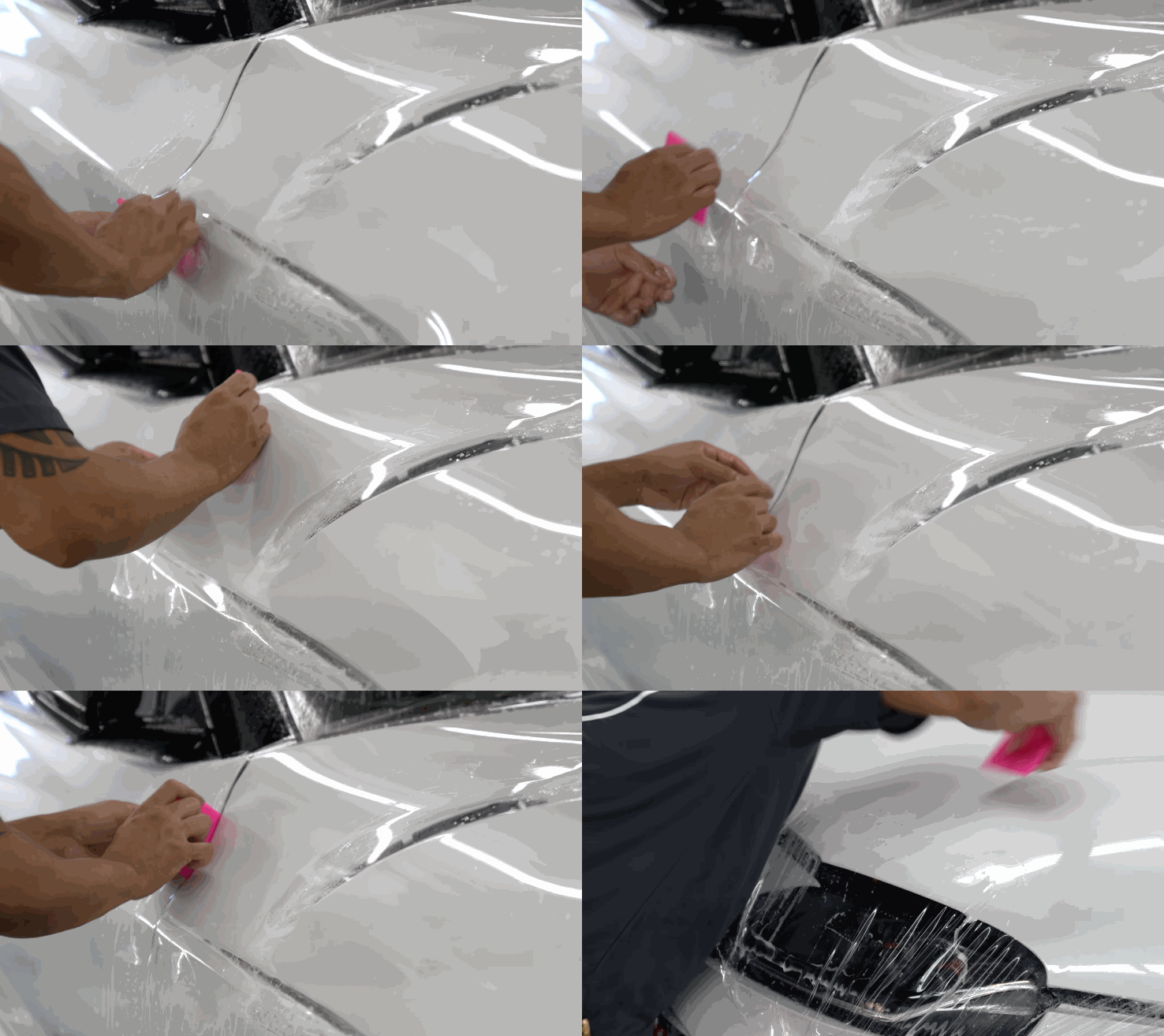
Paint Protection Film should be inspected when its appearance, clarity, or adhesion begins to change noticeably. While quality PPF lasts for years, no protective film lasts forever, and recognizing the signs of wear helps maintain the vehicle’s appearance.
- Yellowing or discoloration
- Lifting edges
- Deep scratches or torn film
- Excessive staining
- Cloudy or dull appearance
- Film that no longer cleans easily
These symptoms don’t always mean the entire film must be replaced. Sometimes only one damaged section needs attention, while the remaining coverage continues performing well.
Routine paint protection film maintenance makes it easier to identify these issues early. Whether the solution involves PPF replacement, repairing a single section, or simply inspecting the condition of the vehicle protection film, addressing problems promptly usually leads to better long-term results.
How to Make Paint Protection Film Last Longer
Proper washing, prompt contaminant removal, and consistent maintenance can significantly extend the lifespan of Paint Protection Film. The film is designed to handle everyday exposure, but simple care habits help preserve its appearance and protective qualities for many years.
- Wash the vehicle regularly using pH-safe automotive cleaning products.
- Remove bugs, tree sap, bird droppings, and other contaminants as soon as possible.
- Avoid abrasive brushes, stiff scrub pads, and harsh chemical cleaners.
- Dry the vehicle with clean microfiber towels to reduce the risk of unnecessary surface marks.
- Follow the care recommendations provided after your PPF installation, especially during the initial curing period.
Good paint protection film care doesn’t require complicated routines. Consistent PPF maintenance helps the film stay cleaner, maintain better clarity, and continue performing as intended. Over time, these small habits contribute to long-lasting paint protection while keeping the vehicle looking its best.
Is Ceramic Coating Over PPF Helpful in Georgia?
Yes. Ceramic coating can make Paint Protection Film easier to clean and more resistant to surface contaminants, but it does not replace the protection provided by the film itself. Instead, the two products complement each other by addressing different types of exposure.
Georgia drivers regularly deal with pollen, heavy rain, bug splatter, and road grime. A ceramic coating applied over PPF creates a slicker surface that makes many of these contaminants easier to remove during routine washing. That means less effort during maintenance and a cleaner-looking vehicle between washes.
Two Products, Two Different Roles
Paint Protection Film is designed to absorb impacts from road debris and reduce paint damage. Ceramic coating doesn’t provide that impact protection. Instead, it improves water behavior, simplifies cleaning, and helps contaminants release from the surface more easily.
A Practical Combination
For many drivers, combining the two products creates a balanced approach to automotive paint protection. PPF handles physical impacts, while ceramic coating supports maintenance and helps preserve the film’s appearance.
At T. Banks Window Tinting, we often recommend discussing whether ceramic coating over PPF fits your driving habits and maintenance goals. Used together appropriately, they can enhance many of the everyday paint protection film benefits without replacing one another.
When Should Georgia Drivers Install Paint Protection Film?
The best time to install Paint Protection Film is while the paint is still new, freshly corrected, or in excellent condition. Protecting a clean surface from the beginning is usually more effective than waiting until visible damage has already occurred.
New vehicles are obvious candidates, but they aren’t the only ones that benefit. Daily commuters, highway drivers, pickup trucks, SUVs, and vehicles that spend most of their time outdoors all experience ongoing exposure to debris and environmental contaminants.
Earlier Protection Preserves Better Paint
Installing PPF before chips and scratches appear allows the film to protect the original finish instead of covering existing imperfections.
Driving Habits Influence Timing
Vehicles that regularly travel on highways or accumulate high annual mileage generally encounter more opportunities for paint damage than vehicles used occasionally.
Choosing new car paint protection early often provides better long-term value because it helps reduce the gradual accumulation of cosmetic damage. Whether the goal is road debris protection, maintaining appearance, or improving paint damage prevention, earlier installation usually offers the greatest benefit.
Conclusion: Protect Your Paint Before Georgia Roads Wear It Down
Paint Protection Film can provide years of reliable protection when it’s installed correctly and maintained with proper care. Film quality, professional installation, routine maintenance, and the conditions your vehicle encounters all contribute to how well it performs throughout its lifespan.
Georgia presents unique challenges, from strong UV exposure and summer heat to highway debris, heavy rain, insects, and pollen. Fortunately, modern PPF is engineered to withstand these conditions while helping preserve the appearance of your vehicle for the long term.
At T. Banks Window Tinting, we’re committed to helping drivers choose the right paint protection film Georgia solution based on how they use their vehicles and what level of protection they need. Our professional PPF installation services are designed to maximize both appearance and long-term durability.
If you’re ready to protect your vehicle before everyday driving takes a toll on the paint, contact us today. We’ll help you explore your options, recommend the right coverage, and provide paint protection film services Georgia drivers can trust for lasting results.
T. Banks window tinting address
4.8 ⭐⭐⭐⭐⭐ 268 Google reviews Window tinting service in Martinez, Georgia