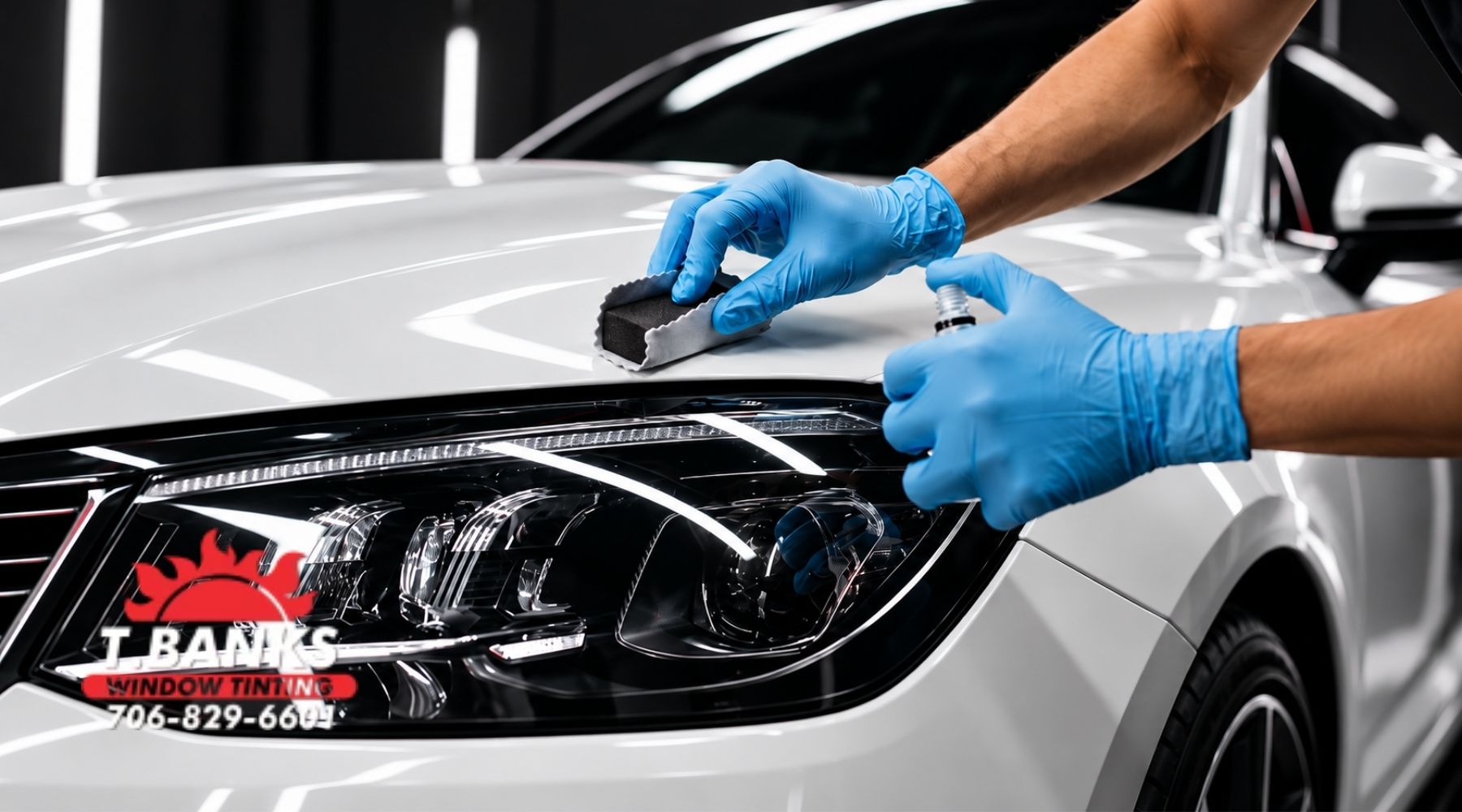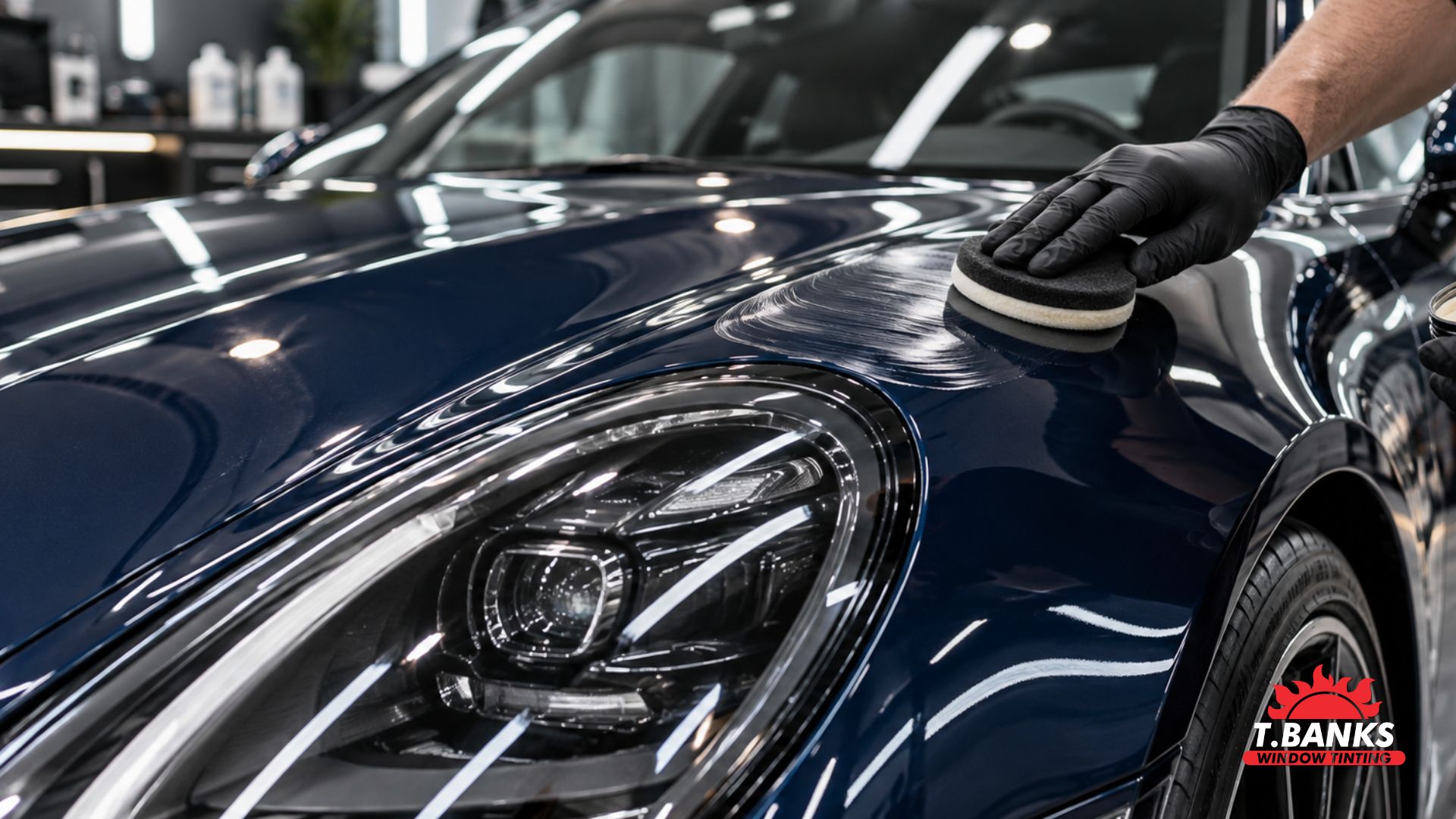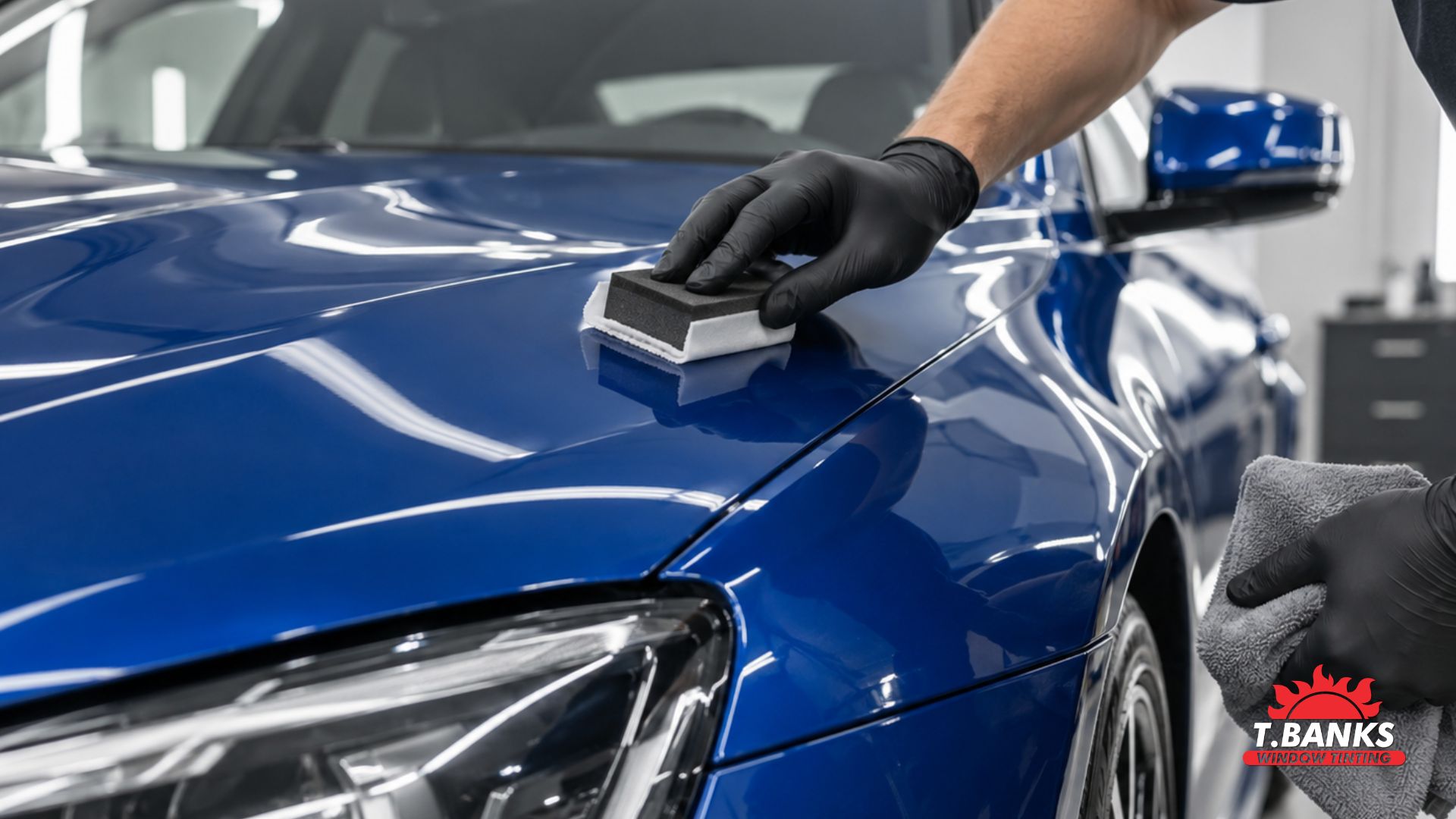
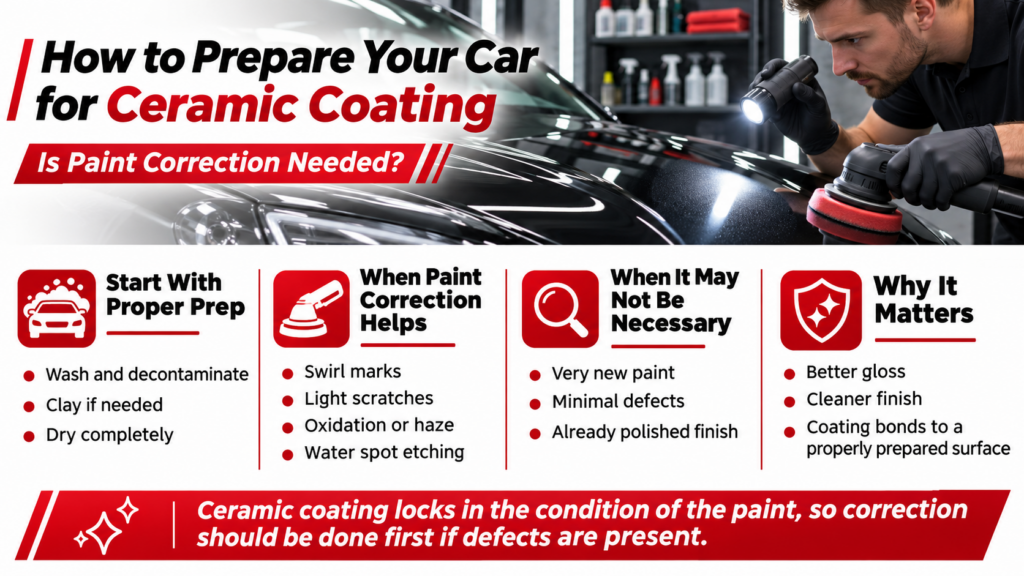
Paint correction is not always necessary before ceramic coating, but proper surface preparation is essential. A vehicle with clean, healthy paint may only need thorough decontamination, while one with swirl marks, oxidation, or visible scratches may benefit from polishing before the coating is applied.
The distinction matters because ceramic coating does not repair existing paint defects. It creates a protective layer over the current finish, meaning imperfections left behind during preparation can remain visible after installation.
For vehicle owners in Martinez, GA, preparation also means addressing the effects of local driving conditions. Georgia pollen, summer heat, insects, road grime, and frequent exposure to the elements can leave contamination that ordinary washing does not completely remove.
A successful ceramic coating application begins with understanding the paint’s actual condition rather than automatically recommending the same treatment for every car.
What Should You Do Before Applying Ceramic Coating?
Before applying ceramic coating, the paint must be inspected, thoroughly cleaned, decontaminated, and prepared for proper bonding. Paint correction is an additional step when the finish has defects that should be addressed before protection is applied.
Professional preparation generally follows a specific sequence:
- Inspect the paint condition. Identify swirl marks, scratches, oxidation, water spots, and other visible imperfections.
- Wash the vehicle thoroughly. Remove loose dirt, road grime, pollen, and residues from exterior surfaces.
- Remove bonded contamination. Use appropriate chemical or mechanical decontamination methods when ordinary washing is insufficient.
- Evaluate paint correction needs. Determine whether polishing would meaningfully improve the finish.
- Prepare the surface for coating. Remove polishing oils and other residues using products compatible with the coating system.
- Apply the ceramic coating. Follow the manufacturer’s application and curing requirements.
Skipping preparation can compromise the final appearance and potentially interfere with coating adhesion.
At T. Banks Window Tinting, we consider the condition of the paint before determining which preparation steps make sense. A newer vehicle with minimal defects should not automatically receive the same correction work as an older car with years of accumulated surface damage.
Is Paint Correction Necessary Before Ceramic Coating?
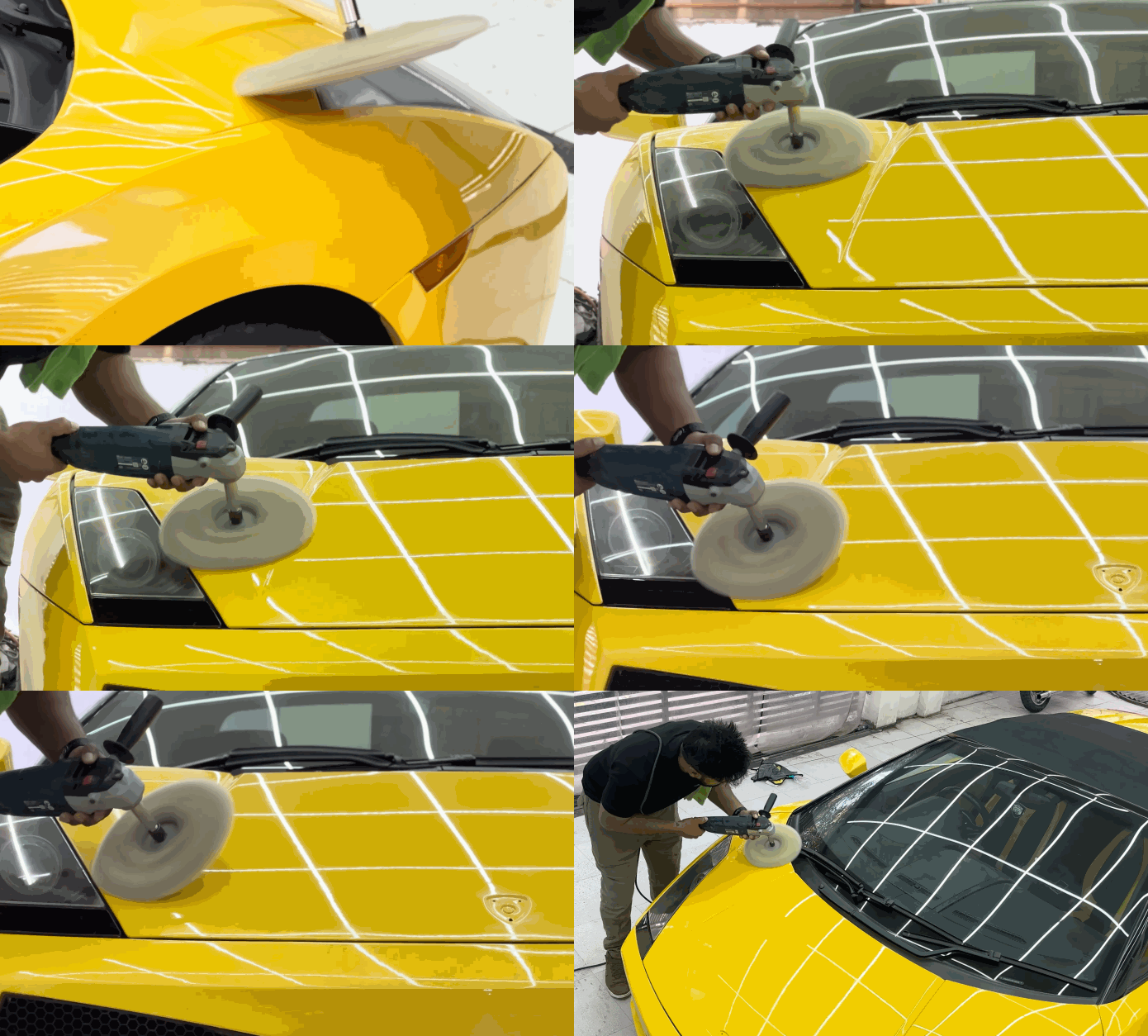
Paint correction is recommended when a vehicle has visible clear-coat imperfections, but it is not mandatory for every ceramic coating installation. The decision depends on the condition of the finish and the owner’s expectations.
When Paint Correction Makes Sense
Swirl marks, light scratches, oxidation, and certain water spots can affect how the finished vehicle looks. Polishing can remove or reduce many of these defects by carefully refining the clear coat.
This is particularly valuable before ceramic coating because the protective layer is designed to preserve the prepared surface. A smoother, better-refined finish can produce a cleaner appearance and more consistent reflections.
When You May Not Need It
Some vehicles have paint that is already in excellent condition. Others may have minor imperfections that the owner is comfortable leaving untouched.
In these cases, thorough cleaning, decontamination, and surface preparation may be sufficient, provided the coating manufacturer’s requirements are met.
We also consider clear-coat preservation important. Paint correction removes a small amount of material, so unnecessary polishing is not automatically beneficial. The goal is to improve the finish where appropriate, not remove clear coat simply because a ceramic coating is being installed.
Does Your Car Need Paint Correction Before Ceramic Coating?
Not every vehicle needs the same level of paint correction before ceramic coating. Answer four quick questions to understand what preparation your vehicle may benefit from.
Your Paint Condition Assessment
Select the answers that best describe your vehicle. Your result will appear below.
This is an educational assessment, not a physical paint inspection. Paint age and washing habits cannot establish defect depth or clear-coat thickness. A technician should inspect the finish before recommending correction, particularly for deep scratches, thin clear coat, repainted panels, or matte finishes.
Ceramic coating is transparent and does not conceal existing scratches or swirl marks. Washing, chemical decontamination, and paint correction serve different purposes. A professional inspection helps determine which steps are appropriate.
Why Paint Decontamination Matters Before Ceramic Coating
Paint decontamination is necessary when bonded contaminants remain on the surface because ceramic coating needs a properly prepared foundation to bond consistently. Even paint that feels relatively clean after washing may still contain embedded particles or stubborn deposits.
Contamination Isn’t Always Visible
In Martinez and the greater Augusta area, vehicles encounter several forms of contamination throughout the year. Spring pollen, insect residue, industrial fallout, road film, and mineral deposits can accumulate on exposed panels.
A daily driver traveling along Washington Road or I-20 may collect contamination that ordinary shampoo cannot completely remove.
Chemical decontamination products can help address certain deposits, while appropriate mechanical methods may be needed for stubborn bonded particles. The exact approach depends on the surface and the contamination present.
However, mechanical decontamination can introduce light marring, which may create an additional reason to polish the paint before coating.
At T. Banks Window Tinting, we treat decontamination as part of proper ceramic coating preparation, not an optional detailing extra. Removing unwanted material helps create a cleaner surface for application and allows the condition of the underlying paint to be assessed more accurately.
How Much Paint Correction Does Your Car Actually Need?
The amount of paint correction needed before ceramic coating depends on the severity of the defects, the condition of the clear coat, and the finish you want to achieve. Not every vehicle requires extensive polishing, and sometimes a lighter approach produces the best balance between appearance and paint preservation.
Professional paint correction generally falls into three categories:
- No correction: Appropriate for paint that is already in excellent condition, with minimal visible defects and no significant polishing requirements.
- One-step paint correction: Uses a suitable polishing process to improve gloss and reduce light swirl marks, minor oxidation, and superficial imperfections.
- Multi-step paint correction: Involves more extensive polishing to address greater levels of correctable defects, usually requiring additional time and careful evaluation of clear-coat thickness.
Deeper scratches that penetrate the clear coat cannot necessarily be removed safely through polishing. Attempting to eliminate every visible mark can sometimes do more harm than good.
Our preference is to preserve as much original clear coat as possible while achieving a finish the owner will be happy with. Ceramic coating preparation should improve the vehicle’s condition without introducing unnecessary risks.
Does a Brand-New Car Need Paint Correction Before Ceramic Coating?
A brand-new car does not automatically need paint correction before ceramic coating, but new paint is not necessarily free of imperfections. Transportation, dealership handling, storage, and pre-delivery washing can all introduce surface defects before the owner takes possession.
Factory-fresh paint may contain light swirl marks, water spots, or minor scratches that become noticeable under proper inspection lighting.
That does not mean every new vehicle should receive a full polishing treatment. A careful inspection may reveal that only a few isolated areas need attention, or that the entire finish is suitable for coating after decontamination.
For new-car owners in Martinez, applying ceramic coating early can be a practical way to establish environmental protection before months of Georgia pollen, insects, and road contamination accumulate.
At T. Banks Window Tinting, we believe the preparation should match the vehicle rather than its age. A new car with excellent paint may need less work than expected, while another vehicle with only a few hundred miles could benefit from targeted correction before its ceramic coating application.
How Does Professional Preparation Affect Ceramic Coating Performance?
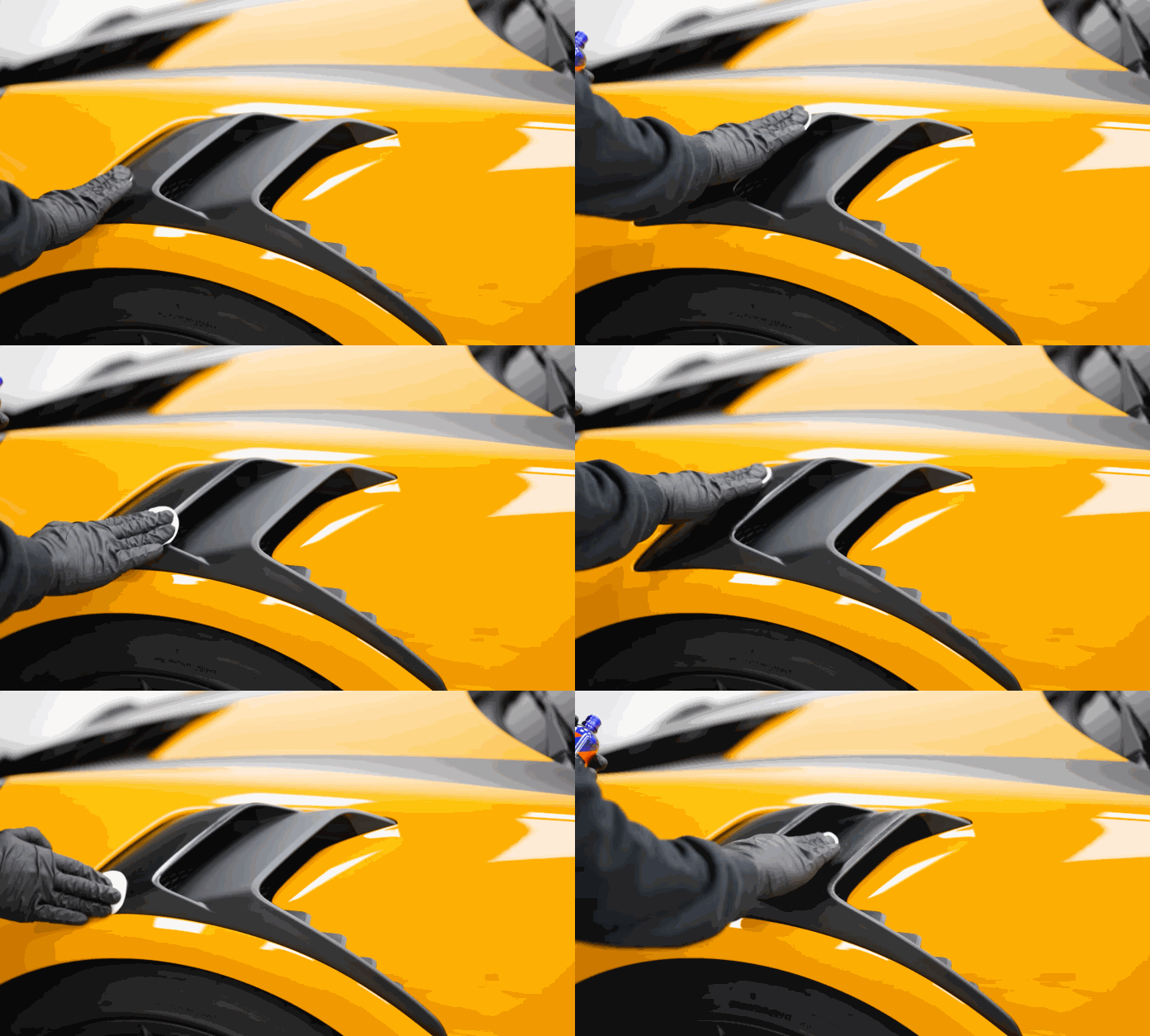
Professional preparation improves ceramic coating performance by creating a clean, compatible surface that supports proper bonding and consistent application. The coating itself is only one part of the process; the condition of the paint underneath has a direct influence on the finished result.
Several details deserve particular attention during installation.
Surface Inspection and Preparation
Good lighting helps reveal defects and contamination that may not be obvious outdoors. Once the necessary correction is complete, polishing residues and oils must be removed using a surface-preparation product compatible with the selected coating.
Controlled Application and Curing
Ceramic coatings require careful application, leveling, and curing according to their specific instructions. Applying too much product, failing to remove high spots, or exposing the surface to moisture too early can compromise the finish.
Temperature and humidity also matter because they can influence working time and curing behavior. This is particularly relevant in Georgia, where conditions can vary significantly throughout the year.
A properly executed professional ceramic coating application combines preparation, product knowledge, and attention to detail. It is not simply a matter of applying a protective liquid to freshly washed paint.
How Should You Care for Your Car After Ceramic Coating?
After ceramic coating installation, the most important step is allowing the product to cure according to the manufacturer’s instructions before exposing it to washing products or unnecessary moisture. Once the initial curing period has passed, consistent maintenance helps preserve the coating’s protective properties.
A few habits make coated vehicles easier to maintain over time:
- Follow the initial curing instructions. Avoid washing or applying additional chemicals until the coating manufacturer or installer permits it.
- Use gentle washing methods. Choose clean microfiber wash media and automotive shampoos compatible with ceramic coatings.
- Remove contaminants promptly. Bird droppings, insects, and tree sap should not remain on the surface indefinitely.
- Dry the vehicle carefully. Prevent unnecessary water spotting by using appropriate drying methods.
- Avoid abrasive cleaning products. Aggressive polishes and compounds can wear away or remove the coating.
Martinez drivers should pay particular attention during heavy pollen periods and after frequent highway travel around Augusta. Even though ceramic coating makes cleaning easier, environmental contamination still needs to be removed.
Proper maintenance also helps preserve the work completed during paint correction. A beautifully polished finish can develop new swirl marks when washed carelessly, regardless of whether it has been coated.
Conclusion: Prepare Your Paint Before Protecting It
Paint correction is not required before every ceramic coating application, but proper cleaning, decontamination, and surface preparation should never be overlooked. The right preparation process depends on the paint's current condition and the results you expect.
Ceramic coating protects the finish you already have. It can enhance gloss, simplify cleaning, and provide resistance against environmental contamination, but it cannot repair scratches or remove imperfections already present in the finish. Addressing those issues beforehand, when appropriate, gives the coating a better-looking surface to protect.
At T. Banks Window Tinting, we take the time to evaluate your vehicle before recommending a treatment. Whether your car needs basic preparation, targeted polishing, or more extensive paint correction, our goal is to help you get the most from your ceramic coating application.
Ready to Protect Your Vehicle's Finish?
Contact T. Banks Window Tinting in Martinez, GA, to discuss professional ceramic coating services and find out which preparation steps make sense for your car.
Contact T. Banks Window Tinting →T. Banks window tinting address
4.8 ⭐⭐⭐⭐⭐ 268 Google reviews Window tinting service in Martinez, Georgia