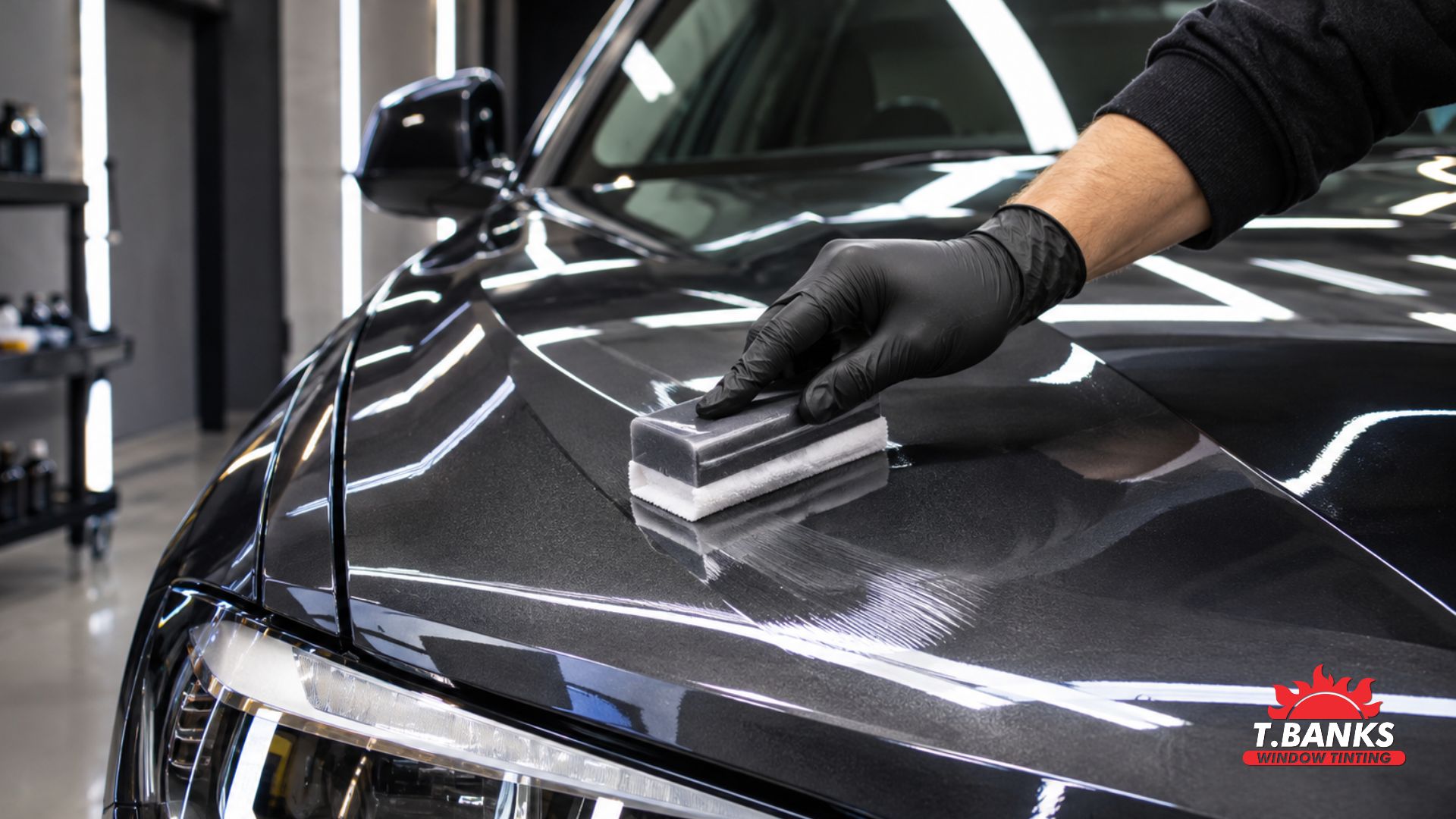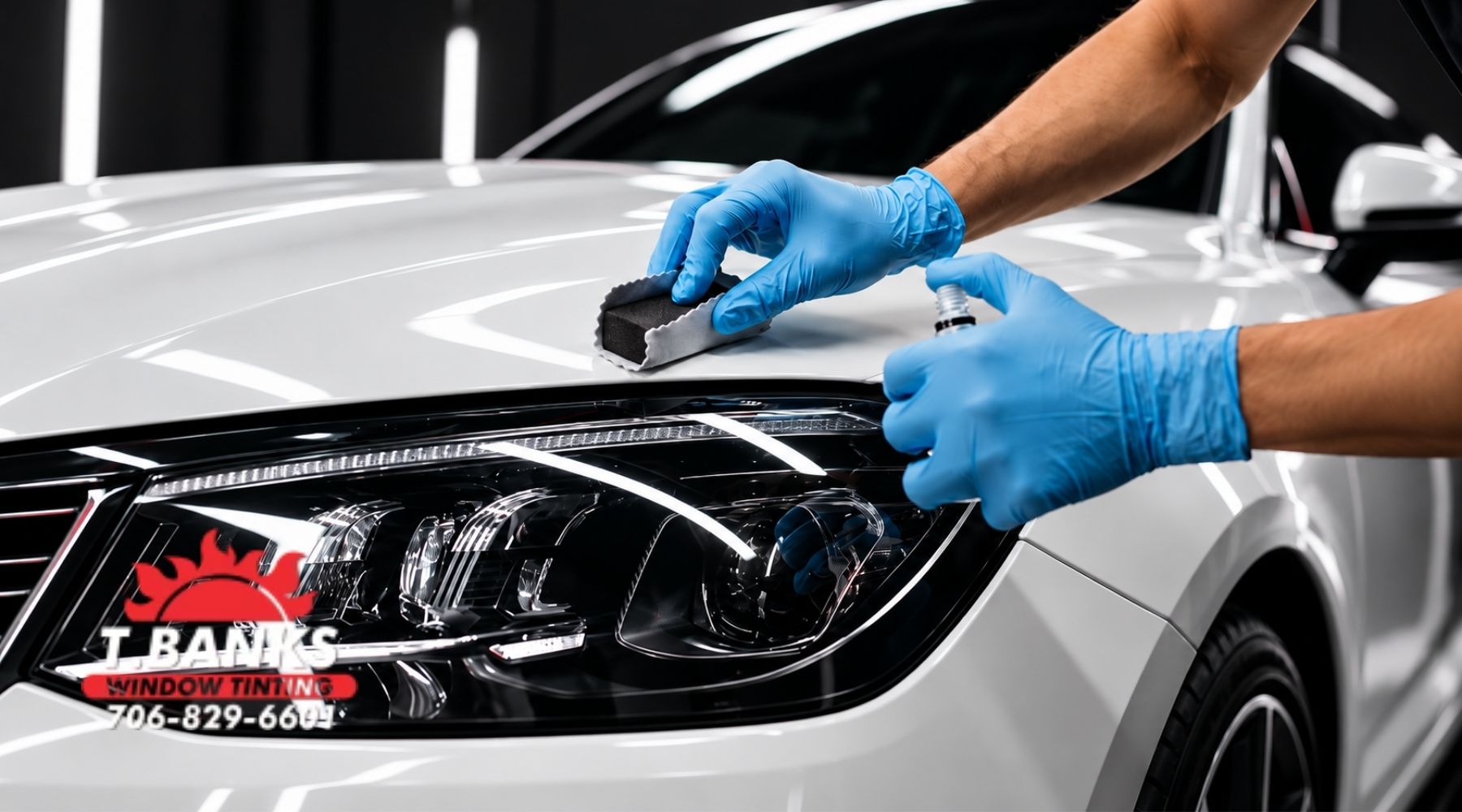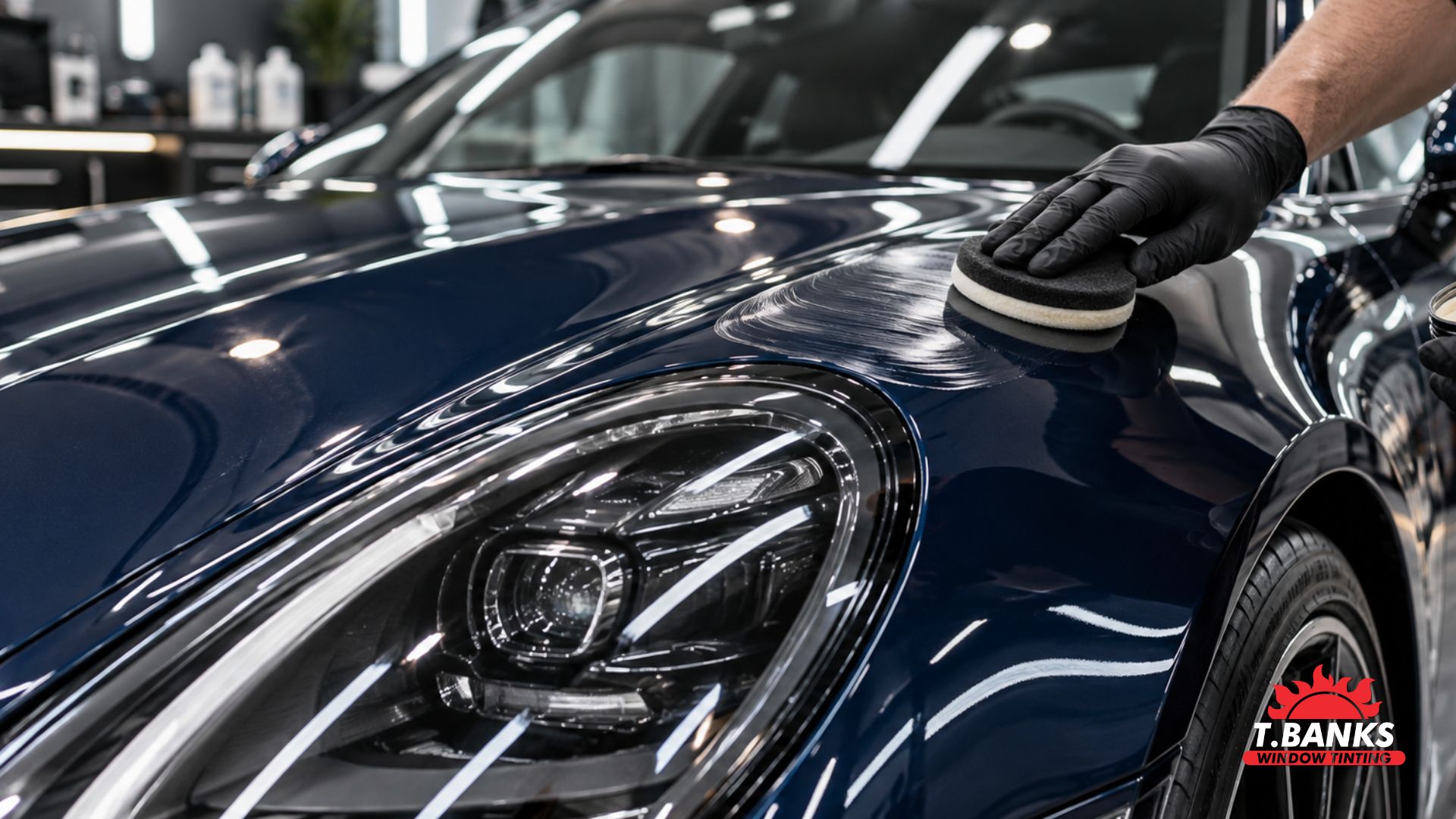
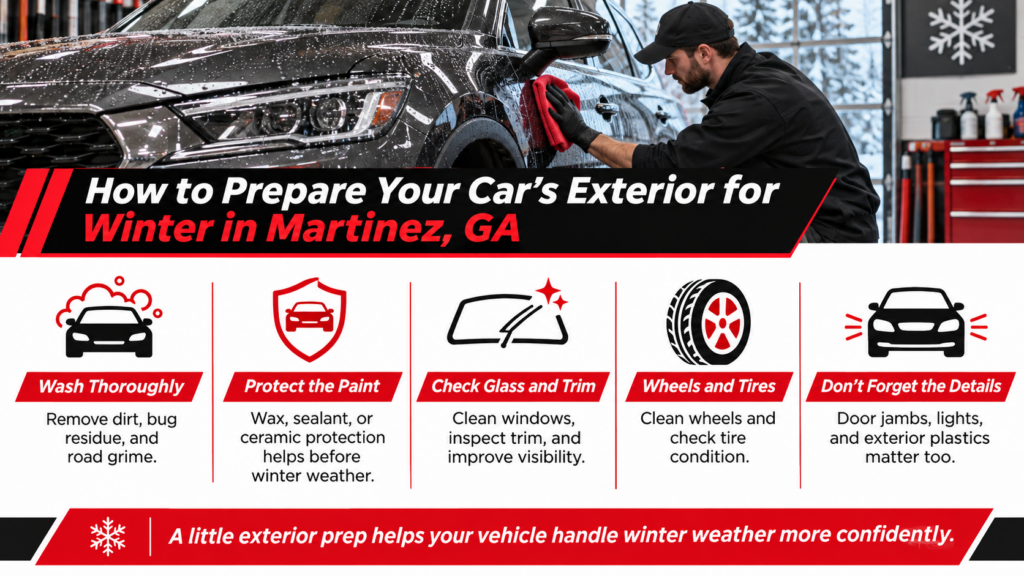
Preparing your car’s exterior for winter in Martinez, GA, means removing accumulated contamination, protecting the paint, inspecting vulnerable surfaces, and addressing existing damage before colder, wetter weather arrives.Even though Georgia winters are relatively mild, changing temperatures, frequent rain, occasional frost, and road grime can gradually affect your vehicle’s appearance and condition.
Unlike regions that experience months of snow and road salt, Martinez presents a different set of challenges. Autumn leaves, tree sap, leftover summer contamination, and seasonal moisture can create problems when they remain on exterior surfaces for extended periods.
A good winter preparation routine should therefore focus on prevention rather than waiting until the paint looks neglected. Whether you rely on regular detailing, ceramic coating, or paint protection film, taking care of the exterior before winter helps make ongoing maintenance easier.
Why Does Your Car Need Exterior Protection During Georgia Winters?
Winter exterior protection matters in Martinez because moisture, road contamination, and temperature changes can accelerate wear on surfaces that are already vulnerable. Freezing conditions may be less frequent than in northern states, but that doesn’t mean the season is harmless to automotive finishes.
Rainwater carries dirt and airborne contaminants onto painted surfaces. When moisture collects around trim, panel gaps, or damaged paint, it can remain there longer than expected, especially during cooler, overcast periods.
Occasional freezing temperatures introduce another concern. Water trapped in small crevices can freeze, while road treatments used during icy conditions may leave additional residue on lower body panels.
For drivers regularly traveling along Washington Road, River Watch Parkway, or I-20, winter preparation also means dealing with the grime that accumulates during everyday commuting.
At T. Banks Window Tinting, we see exterior protection as something that should work throughout the year, not just during Georgia’s hottest months. Winter may bring less intense sunlight, but the paint still needs attention.
Start With a Thorough Exterior Cleaning
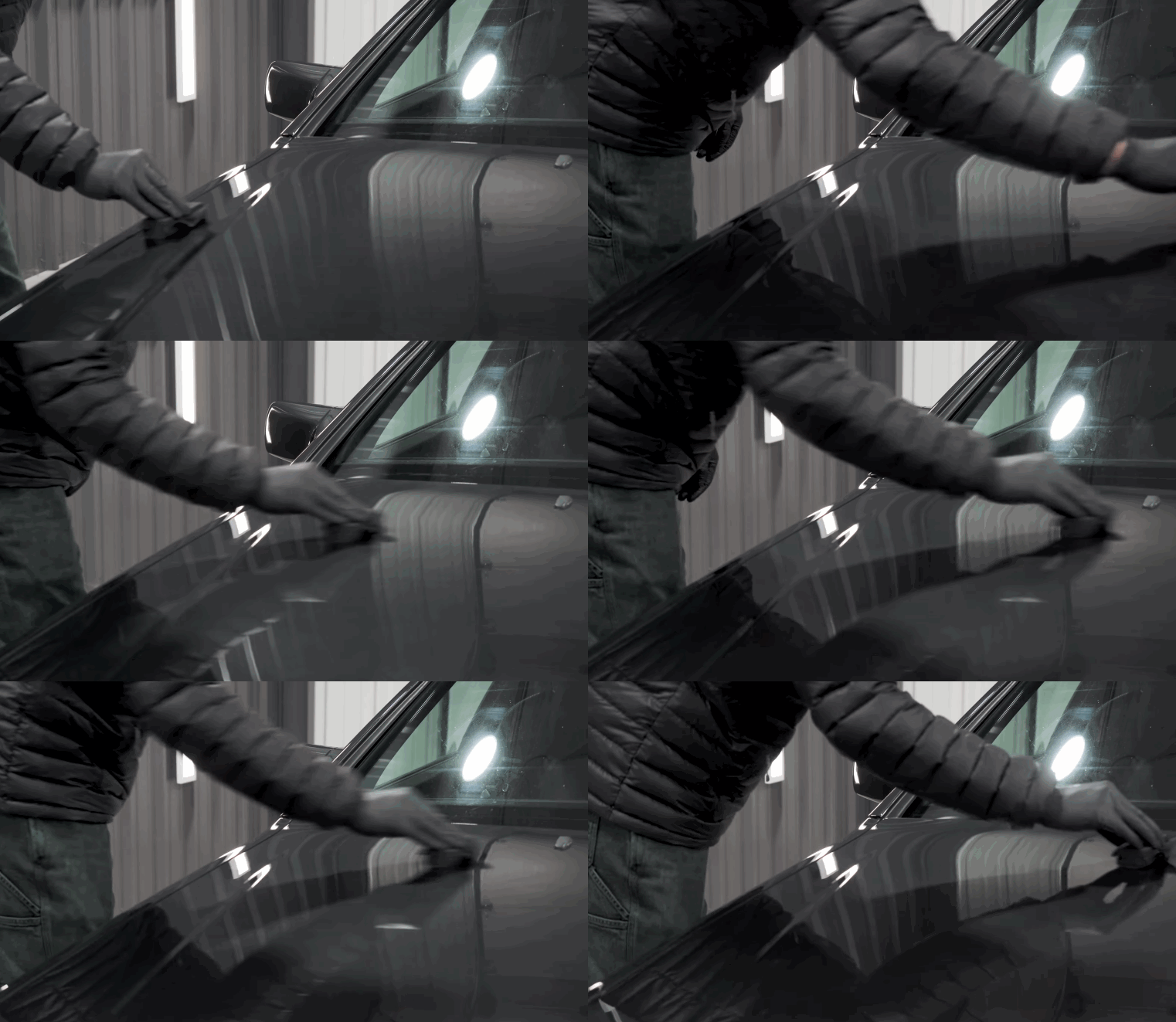
A complete exterior wash and decontamination should come before applying any winter paint protection.Protective products perform best on properly prepared surfaces, and covering existing contamination with wax or another treatment does little to address the underlying problem.
A proper cleaning process should include more than quickly rinsing the vehicle:
- Pre-rinse the exterior. Remove loose dirt and debris before making contact with the paint.
- Wash using safe techniques. Use automotive shampoo, clean wash media, and a method that minimizes dragging grit across the finish.
- Clean the wheels and lower panels. These areas collect brake dust, road grime, and other stubborn deposits.
- Inspect for bonded contamination. Tree sap, tar, insect residue, and mineral deposits may require specialized removal.
- Dry the vehicle carefully. Pay attention to mirrors, trim, and panel gaps where trapped water can continue dripping.
Fall is a particularly useful time for this work in Martinez. Pollen, insect residue, and summer road film may still be present even when the vehicle appears reasonably clean.
Once the surface has been properly cleaned, it’s easier to identify paint defects and determine which protective treatments are worth considering before winter.
Should You Apply Ceramic Coating Before Winter?
Ceramic coating can be a valuable pre-winter upgrade because it creates a protective surface that makes dirt, water, and many environmental contaminants easier to remove. It does not make the vehicle immune to damage, but it can simplify maintenance during periods of frequent rain and road exposure.
See How Coating Changes Surface Behavior
Select a condition, then compare a ceramic-coated surface with uncoated paint.
Hydrophobic Water Behavior
Ceramic coating encourages water to bead and move across the surface more readily. It can make wet-weather cleaning easier, but it does not prevent every water spot.
Easier Cleaning During Wet Weather
One of the most useful properties of ceramic coating is its hydrophobic behavior. Water tends to bead and move across the surface more readily, while road grime generally has a harder time bonding strongly to properly maintained coated paint.
This doesn't mean rain will wash the vehicle for you. Mineral deposits and contamination can still remain behind, particularly when water dries on the finish.
Protection Beyond the Winter Season
A quality ceramic coating also provides chemical resistance, enhanced gloss, and additional protection against environmental exposure. Those benefits remain relevant when Georgia's warmer weather returns.
At T. Banks Window Tinting, we consider paint condition and preparation essential to a successful ceramic coating application . Existing contamination, oxidation, or swirl marks should be evaluated before coating because the product is designed to protect the prepared finish, not correct imperfections underneath it.
Is Paint Protection Film Worth Installing Before Winter?
Paint protection film can be especially useful before winter because it provides a physical barrier against road debris, small impacts, and abrasions that ceramic coating alone cannot prevent. Its value extends well beyond cold weather, making it a practical option for vehicles that accumulate significant mileage throughout the year.
Georgia roads may not experience constant snowplowing, but loose gravel, highway debris, and occasional winter road treatments can still threaten exposed paint.
The areas most likely to benefit from PPF include:
- Front bumper: Frequently exposed to debris kicked up by other vehicles.
- Hood: Vulnerable to small rock chips and repeated highway exposure.
- Side mirrors: Forward-facing surfaces that regularly encounter insects and debris.
- Rocker panels: Lower areas exposed to grit, splashes, and contamination.
- Front fenders: Can receive debris depending on vehicle design and driving conditions.
Unlike wax or ceramic coating, paint protection film has physical thickness that helps absorb certain impacts before they reach the factory finish. Many modern films also feature self-healing top coats that can reduce the appearance of light surface marks under suitable conditions.
A professional PPF installation before winter gives vulnerable panels added protection for the months ahead while continuing to provide value during spring, summer, and fall.
Check Your Paint for Scratches, Chips, and Exposed Metal
Inspecting your vehicle for paint damage before winter helps identify areas where moisture and contamination could cause additional problems. Small rock chips and scratches may seem purely cosmetic, but damage that exposes bare metal can eventually contribute to corrosion.
Pay particular attention to the front bumper, hood, door edges, and lower body panels. These areas regularly encounter road debris, parking-related contact, and environmental contamination.
What Should You Look For?
Inspect the vehicle in good lighting, preferably after washing it. Look for paint chips, scratches that extend beyond the clear coat, early signs of rust, and areas where protective film may be lifting or damaged.
Not every scratch requires repainting. Light clear-coat marks may respond to professional polishing, while deeper damage can require touch-up paint or more extensive repair.
Addressing exposed metal before prolonged moisture exposure is especially important. Ceramic coating and paint protection film should not be treated as substitutes for repairing existing corrosion or significant paint damage.
A little attention in late fall can prevent a small cosmetic issue from becoming a more complicated repair later.
Don't Overlook Exterior Glass, Trim, and Rubber Seals
Winter exterior preparation should include cleaning the glass, inspecting rubber seals, and protecting exterior trim against moisture and environmental wear. These components are easy to overlook when most of the attention goes toward the paint.
In Martinez, cooler mornings can bring condensation and occasional frost, making clear visibility particularly important.
Windshields and side windows should be free of stubborn water spots, oily residue, and accumulated grime. Inspect windshield wipers for cracking, streaking, or hardened rubber, and replace them when necessary.
Door and trunk seals also deserve attention. Dirt trapped along rubber weatherstripping can interfere with proper sealing, while neglected seals may become dry or brittle over time.
For exterior plastics, use products specifically formulated for automotive trim rather than household cleaners or greasy dressings.
Maintaining these smaller components helps preserve the vehicle’s appearance while reducing avoidable problems during cold, wet mornings.
How Often Should You Wash Your Car During Winter in Martinez?
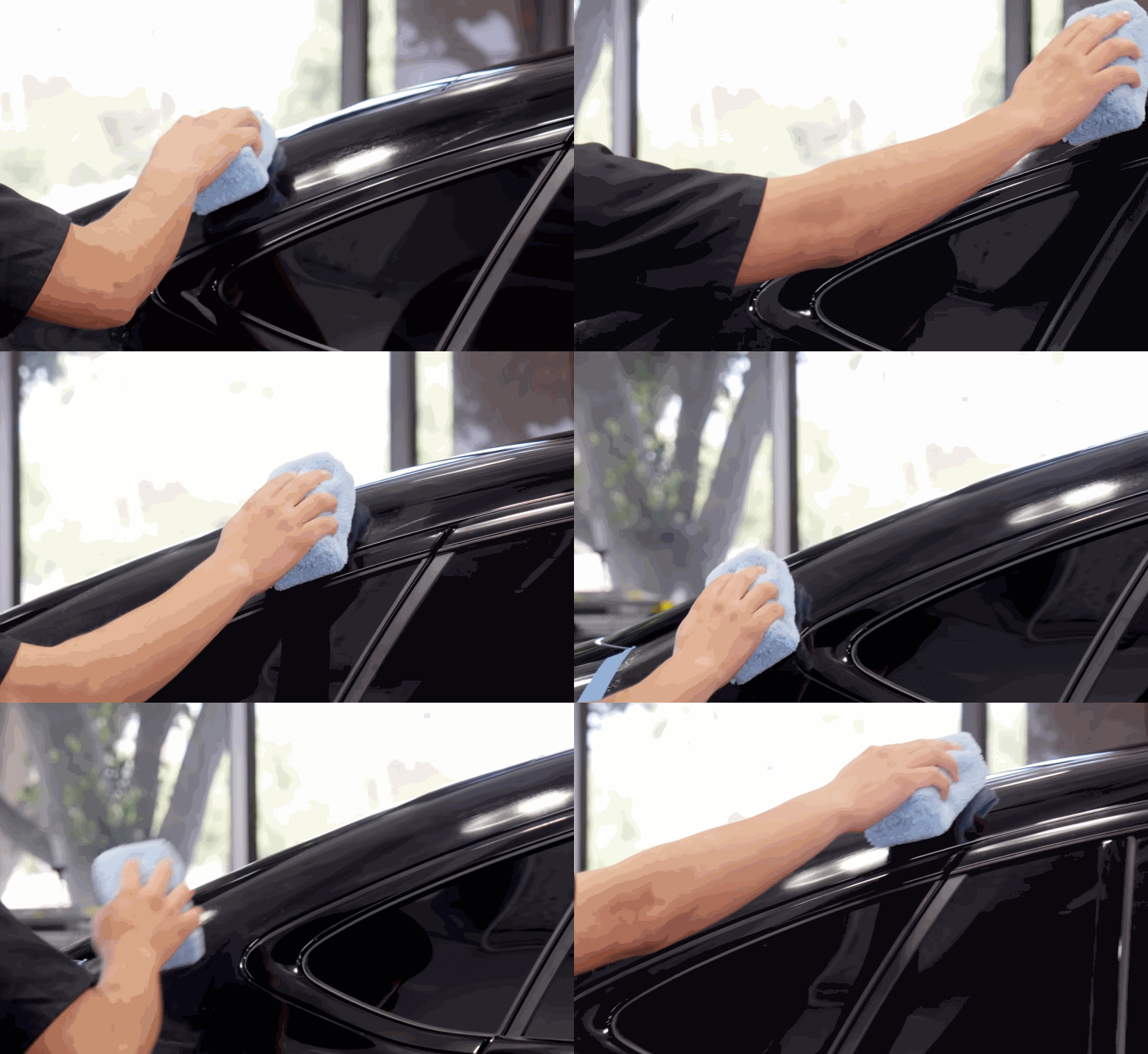
Washing your car every one to two weeks is a reasonable starting point during a typical Martinez winter, although actual cleaning frequency should depend on weather and driving conditions. Vehicles exposed to heavy road grime, muddy roads, or winter road treatments may need attention sooner.
Unlike summer, when insect residue and intense sunlight are frequent concerns, winter maintenance often revolves around moisture, dirt accumulation, and contamination along lower panels.
Consider these situations:
- After icy road conditions: Wash away any deicing residue, particularly around the lower body and wheel wells.
- Following extended rainy periods: Remove accumulated road film rather than allowing it to remain on the paint.
- After parking beneath trees: Clear leaves and organic debris from drainage areas, trim, and panel gaps.
- When visible grime builds up: Wash before dirt becomes heavily embedded or requires aggressive cleaning.
The objective isn’t to wash excessively. It’s to prevent contaminants from remaining on exterior surfaces longer than necessary.
Vehicles with ceramic coating or paint protection film can often be easier to clean, but both still require regular maintenance. Avoid abrasive brushes and aggressive chemicals that could compromise the protective finish.
Should You Choose Ceramic Coating or PPF for Winter Protection?
Ceramic coating is generally better suited to improving surface maintenance and environmental resistance, while paint protection film is designed to protect against physical damage such as rock chips and abrasions. Choosing between them depends on which risks matter most for your vehicle.
For a daily driver that spends considerable time outdoors, ceramic coating can make routine washing easier and help maintain a glossy appearance throughout the changing seasons.
For vehicles frequently traveling on I-20 or other busy roads around Augusta, PPF may offer greater value on impact-prone panels.
The two products can also complement each other. Paint protection film can cover vulnerable areas, while a compatible ceramic coating can be applied to suitable surfaces for additional maintenance benefits.
At T. Banks Window Tinting, we help drivers understand these differences before choosing an exterior protection service. A vehicle’s mileage, parking conditions, paint condition, and intended ownership period all influence which approach makes the most sense.
Winter is a convenient time to evaluate these options, but the protection should serve your vehicle well beyond a single season.
Conclusion: Protect Your Vehicle Before Winter Weather Arrives
Preparing your car's exterior for winter in Martinez, GA, starts with a thorough cleaning, careful inspection, and protection suited to your driving habits. Addressing paint chips, removing contamination, maintaining glass and trim, and establishing a consistent washing routine can help preserve the vehicle's condition.
Georgia winters may be relatively mild, but rain, road grime, occasional frost, and changing temperatures still create maintenance challenges. Preventive care makes those conditions easier to manage and helps protect the appearance of your vehicle throughout the year.
Ceramic coating and paint protection film offer different advantages, and neither eliminates the need for proper maintenance. Choosing the right treatment begins with understanding your vehicle's condition and how you use it.
Which Exterior Protection Fits Your Priorities?
Select a protection option to see its primary benefits and maintenance considerations.
Ceramic Coating: Easier Maintenance
Ceramic coating can make routine cleaning more manageable during rainy weather while helping maintain the appearance of properly prepared paint. Regular washing and contaminant removal remain important.
Protection works best with preparation and maintenance. Whether you choose ceramic coating, paint protection film, or a combination of both, the condition of the surface and your ongoing care routine will influence long-term results.
Prepare Your Paint Before Winter Arrives
At T. Banks Window Tinting, we provide professional ceramic coating and paint protection film services for drivers in Martinez and the surrounding Augusta area. Let us help you compare protection options based on your vehicle and driving habits.
Contact Us About Exterior Protection →T. Banks window tinting address
4.8 ⭐⭐⭐⭐⭐ 268 Google reviews Window tinting service in Martinez, Georgia