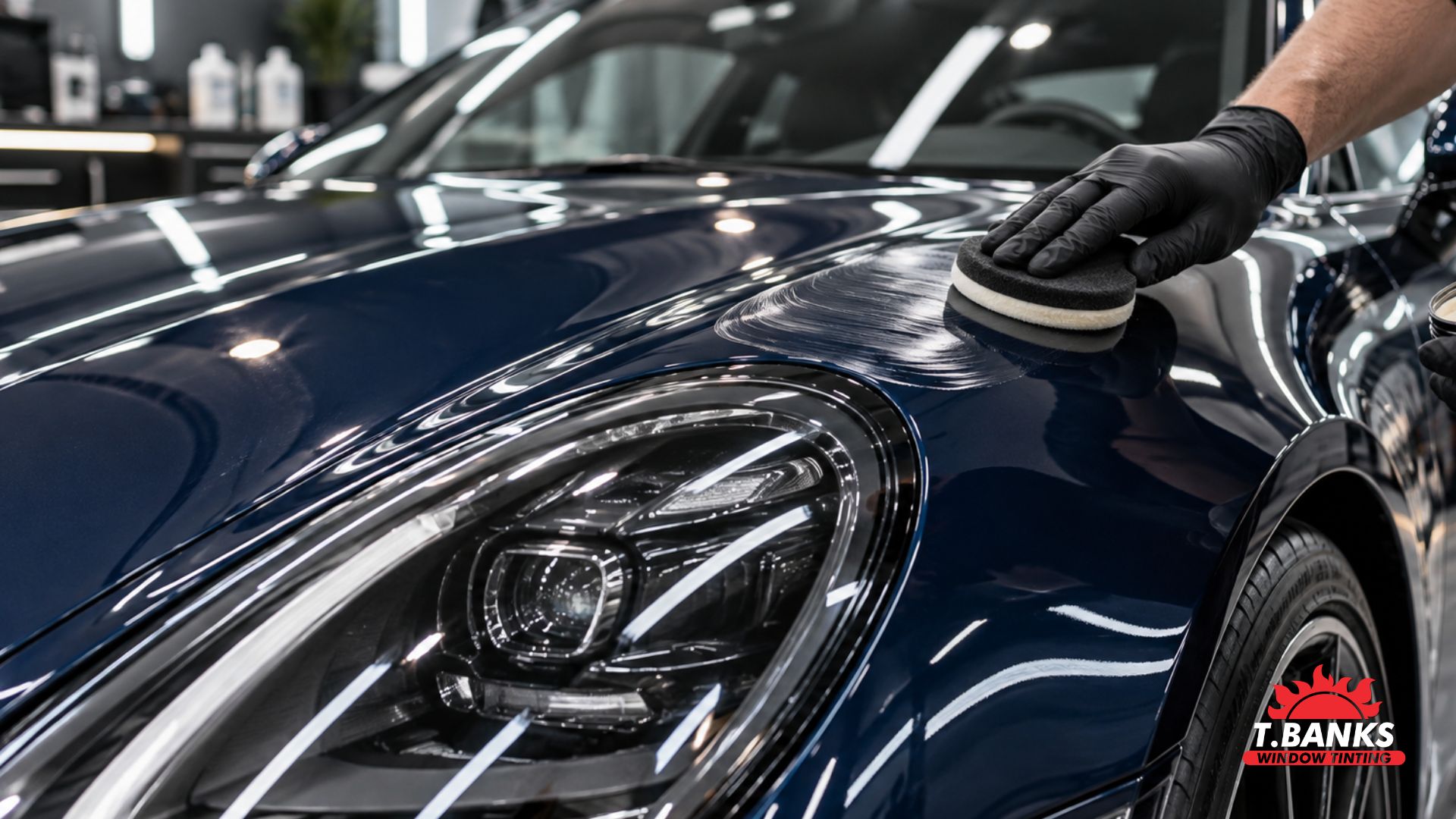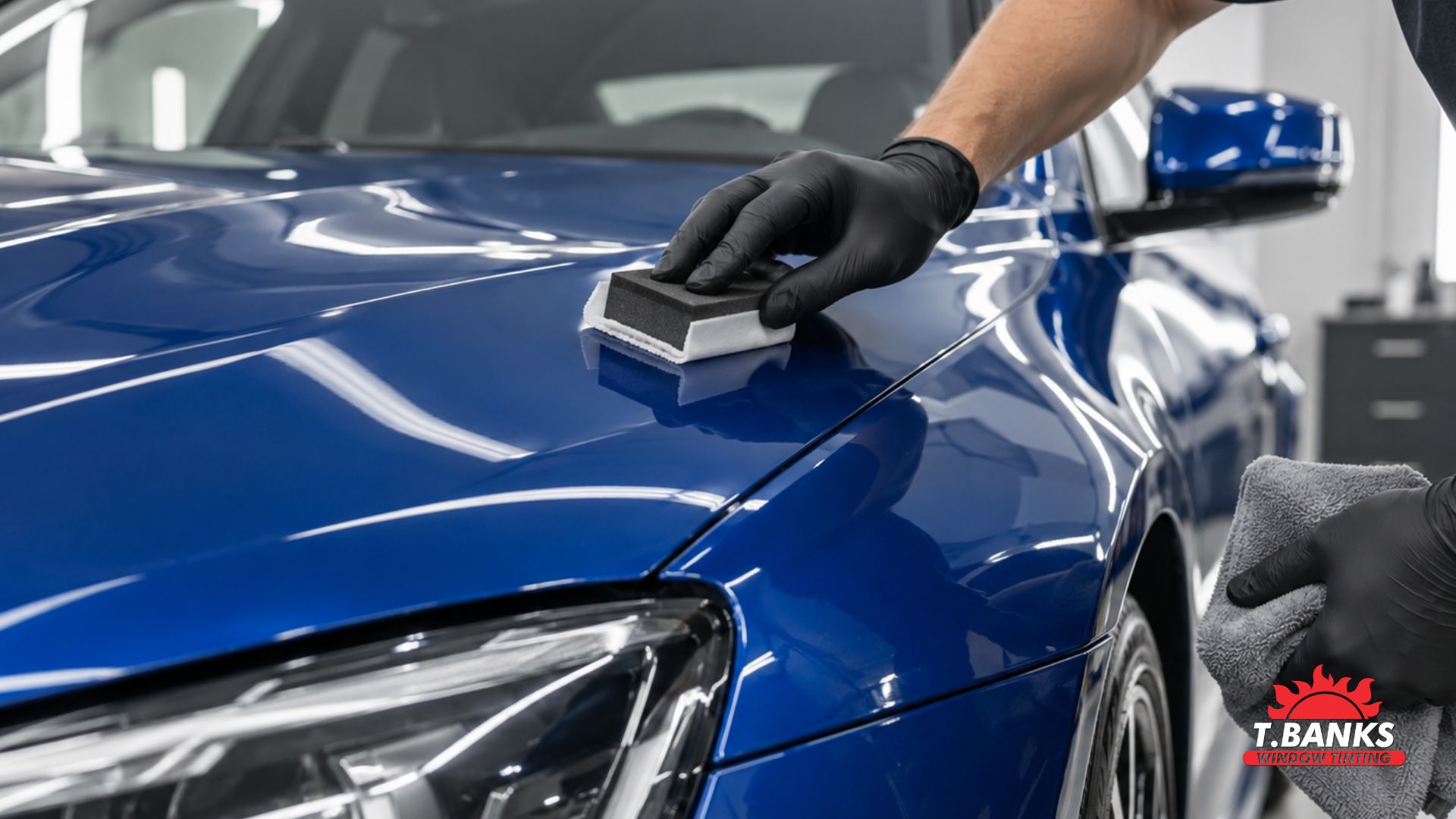
Modern paint protection film is engineered to resist yellowing, and premium products can remain clear for many years when they’re properly installed and maintained. While no protective material lasts forever, today’s films perform much better than earlier generations thanks to improvements in materials, adhesives, and protective coatings.
Years ago, it wasn’t unusual to see older PPF develop a yellow or amber tint after prolonged sun exposure. Those products relied on technology that was far more vulnerable to UV radiation and oxidation than the films available today. Modern manufacturing has largely solved those issues, allowing quality films to maintain their appearance much longer.
Even so, climate still plays a role. Georgia’s combination of strong sunlight, humidity, pollen, insects, and road contaminants can gradually affect the appearance of any exterior protection if PPF maintenance is neglected. That’s why the combination of premium materials, professional PPF installation, and routine care has such a significant impact on overall paint protection film performance.
Why Did Older Paint Protection Films Turn Yellow?
Older paint protection films were more likely to yellow because they used materials that were less resistant to UV exposure and oxidation. As those early products aged, sunlight and environmental exposure gradually changed their appearance, especially on vehicles that spent most of their time outdoors.
The biggest changes over the past decade have come from advances in paint protection film technology. Manufacturers now produce films with stronger UV-resistant top coats, improved adhesives, and protective surface layers designed to preserve optical clarity much longer than previous generations.
Better Materials Create Better Performance
Modern films use more stable polymers that resist discoloration while maintaining flexibility and transparency over time. That means the film is better equipped to handle years of exposure without developing the yellow appearance people often associate with older products.
UV Protection Has Improved Significantly
Today’s UV-resistant PPF is specifically designed to withstand prolonged sun exposure while protecting the paint underneath. Instead of deteriorating quickly, premium films maintain a clearer finish under conditions that would have challenged older materials.
As a result, modern paint protection film offers a very different ownership experience than products installed fifteen or twenty years ago. The technology has evolved considerably, making long-term clarity one of the defining characteristics of today’s premium films.
Can Georgia's Climate Affect Paint Protection Film?
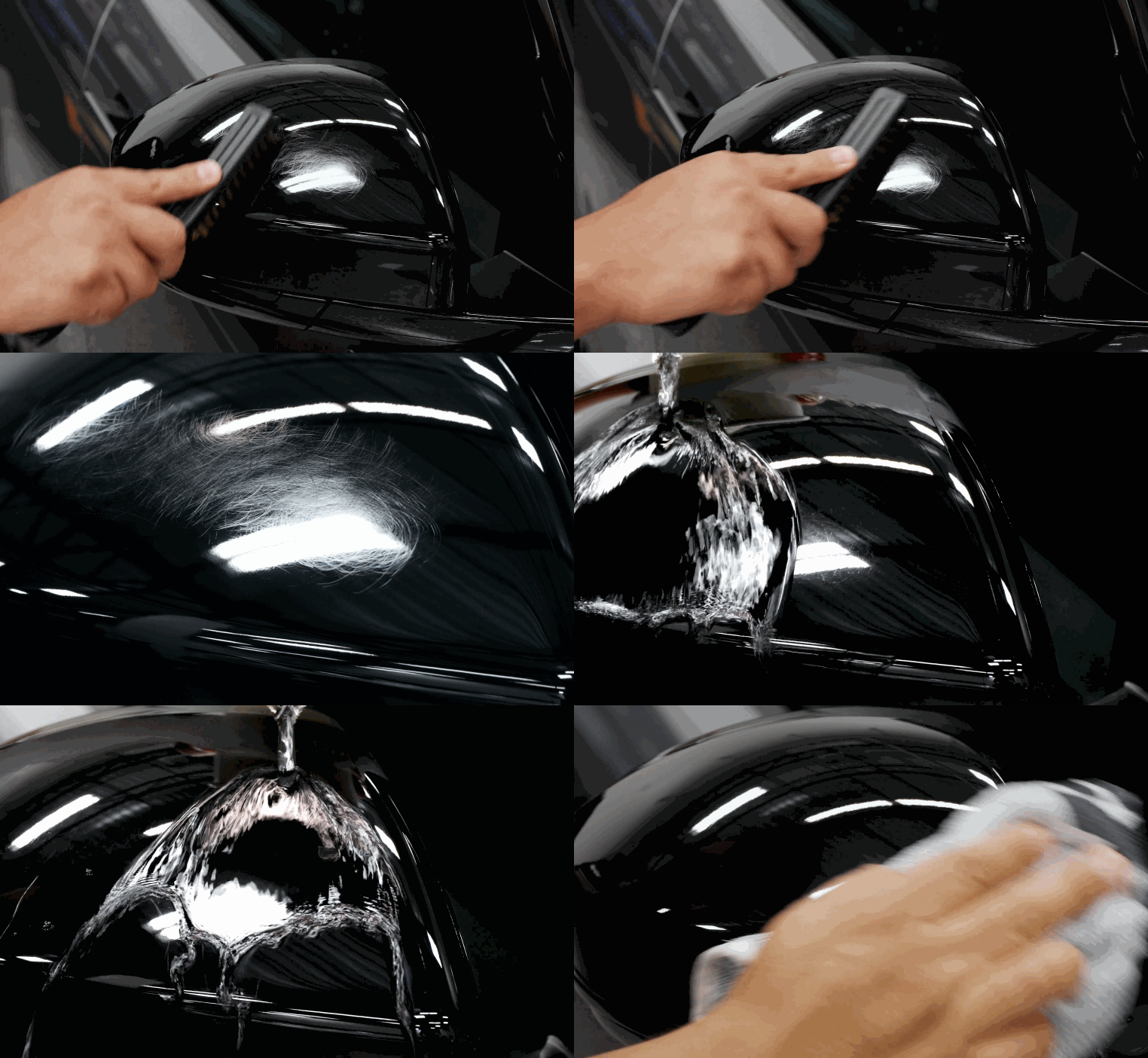
Yes, Georgia’s climate influences the long-term appearance of Paint Protection Film, but quality products are specifically engineered to handle these conditions. The film faces constant exposure to weather and contaminants, making proper maintenance an important part of preserving its appearance.
Vehicles driven throughout Martinez, Augusta, and along roads like Washington Road and I-20 encounter more than just sunlight. Summer heat, humidity, seasonal pollen, rain, tree sap, bug splatter, and airborne contaminants all interact with the film throughout the year.
Heat and UV Exposure
Strong UV exposure is one of the biggest environmental factors affecting any exterior automotive product. Modern films are built to resist sun-related discoloration far better than older generations, but regular cleaning still helps maintain clarity.
Environmental Contaminants
Pollen, insects, and tree sap don’t necessarily damage the film immediately, but allowing these materials to remain on the surface for extended periods can affect its appearance and make cleaning more difficult.
At T. Banks Window Tinting, we recommend products designed specifically for the demands of the local climate. Choosing quality paint protection film Georgia drivers can rely on, combined with proper care, helps maximize PPF durability and long-term vehicle paint protection.
What Causes Paint Protection Film to Yellow Prematurely?
Premature yellowing is usually caused by external factors rather than normal aging alone. When discoloration appears earlier than expected, it often points to the quality of the film, installation practices, or maintenance habits rather than an unavoidable characteristic of modern PPF.
- Low-quality film materials
- Prolonged UV exposure without proper care
- Poor PPF maintenance
- Environmental contaminants left on the surface for extended periods
- Inferior installation practices
Many of these issues can be minimized with the right combination of premium products and routine paint protection film care. Today’s high-quality films are specifically engineered to resist PPF discoloration, making premature yellowing far less common than it was with older technologies.
Does Professional PPF Installation Make a Difference?
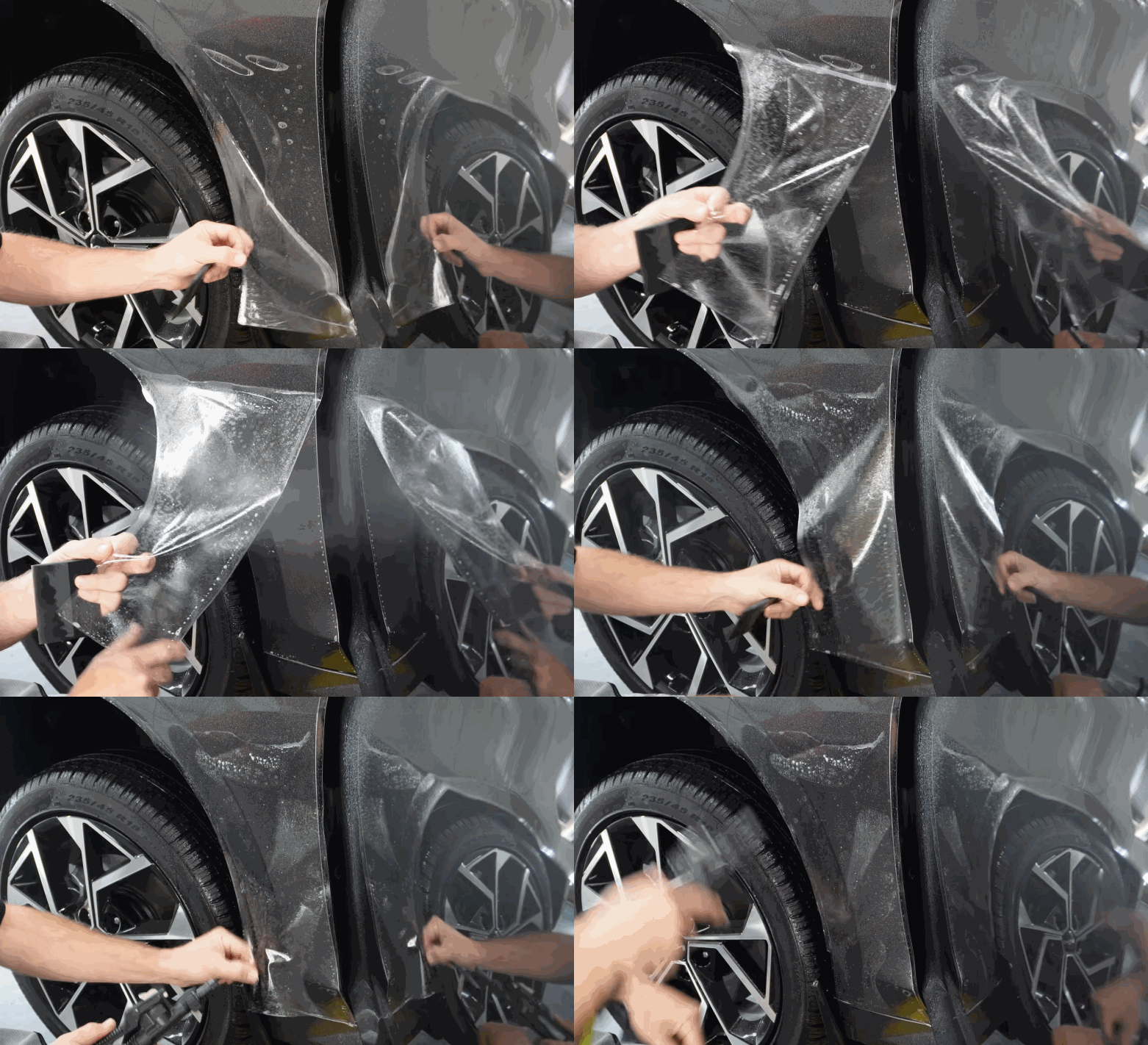
Yes. Professional PPF installation plays a major role in maintaining both the appearance and longevity of Paint Protection Film. The quality of the installation affects how securely the film adheres, how clean it looks, and how well it performs over the years.
A proper installation begins with meticulous paint preparation. Any contaminants left on the surface can interfere with adhesion and become visible beneath the film. Once the vehicle is prepared, accurate film alignment, precision cutting, and careful edge wrapping all contribute to a cleaner, more durable result.
Attention to Detail Matters
Poor installation can create problems that become more noticeable over time. Lifting edges, trapped debris, visible seams, and premature wear often trace back to shortcuts taken during installation rather than problems with the film itself.
Professional Standards Improve Longevity
When the film is installed correctly, it conforms naturally to the vehicle’s surfaces and remains securely bonded through years of regular driving and weather exposure.
At T. Banks Window Tinting, we approach every PPF installation with long-term performance in mind. Our focus on preparation, precision, and quality control helps drivers get the full benefit of professional paint protection film installation, which is why so many local vehicle owners trust our paint protection film services for lasting results.
How to Keep Paint Protection Film Looking Clear
Regular cleaning and proper maintenance are the best ways to preserve the clarity of Paint Protection Film over time. Most modern films are built to withstand years of exposure, but routine care helps them continue looking clean and performing as intended.
- Wash your vehicle regularly using products that are safe for Paint Protection Film.
- Remove bugs, bird droppings, tree sap, and other contaminants as soon as possible.
- Avoid abrasive brushes, rough sponges, and harsh chemical cleaners.
- Dry the vehicle with clean microfiber towels to reduce unnecessary surface marks.
- Follow the recommended PPF maintenance instructions provided after installation.
Consistent paint protection film care often has a greater impact than many people expect. Small maintenance habits repeated throughout the year help preserve gloss, clarity, and long-term PPF protection, allowing the film to continue protecting the paint without compromising its appearance.
Should You Replace Yellowed Paint Protection Film?
Replacing yellowed Paint Protection Film depends on what’s actually causing the discoloration and how severe it has become. Not every change in appearance means the film has reached the end of its life.
In some cases, the issue is simply surface contamination. Pollen, road grime, mineral deposits, or residue left behind by insects and tree sap can temporarily affect the film’s appearance until it’s cleaned properly. True film deterioration, on the other hand, occurs when the material itself begins to discolor or lose its original clarity.
Sometimes One Panel Is Enough
If yellowing or damage is limited to a specific section, replacing that individual panel may be all that’s necessary. This is common when one area receives significantly more sun exposure or road debris than the rest of the vehicle.
Complete Replacement Isn’t Always Required
When deterioration affects multiple panels uniformly or the film has simply reached the end of its service life, replacing the full installation may be the better long-term solution.
At T. Banks Window Tinting, we always recommend starting with a professional paint protection film inspection before making any decisions. Evaluating the condition of the vehicle protection film helps determine whether cleaning, partial PPF replacement, or complete replacement is the most appropriate option.
Is Paint Protection Film Still Worth It If Yellowing Is a Concern?
Yes. Modern Paint Protection Film remains a worthwhile investment because today’s premium products are specifically engineered to resist yellowing for many years. Concerns about discoloration are understandable, but they often stem from experiences with older films rather than the products currently available.
High-quality PPF continues providing value by protecting factory paint from rock chips, minor scratches, road debris, and everyday environmental exposure. For drivers who rely on their vehicles daily or plan to keep them for years, those advantages often outweigh concerns about long-term appearance.
The key is choosing the right product from the beginning. Premium materials, combined with professional installation and routine maintenance, significantly reduce the likelihood of premature discoloration while maximizing overall performance.
When considering PPF value, it’s important to look beyond yellowing alone. The long-term paint protection film benefits include preserving the original finish, reducing cosmetic damage, and supporting long-term paint protection that helps keep the vehicle looking newer throughout ownership.
Conclusion: Choose Quality PPF for Long-Lasting Protection
Modern paint protection film is designed to stay clear for years when high-quality materials, proper installation, and regular maintenance all work together. While Georgia’s climate presents challenges such as strong sunlight, humidity, pollen, and road debris, today’s premium films are engineered to handle those conditions far better than older generations.
As we’ve discussed, film quality, installation techniques, environmental exposure, and consistent care all influence how PPF looks over time. Choosing the right product and maintaining it properly can make a significant difference in preserving both appearance and protection.
At T. Banks Window Tinting, we help drivers choose paint protection film Martinez GA solutions that are built for local conditions and installed with long-term performance in mind. Whether you’re considering a new PPF installation, need an inspection, or have questions about maintaining your existing film, we’re here to help.
Contact us today to discuss your vehicle, explore your options, and learn more about our professional paint protection film services Martinez GA. We’ll help you choose the right protection so your vehicle stays looking its best for years to come.
T. Banks window tinting address
4.8 ⭐⭐⭐⭐⭐ 268 Google reviews Window tinting service in Martinez, Georgia