Ceramic Coating is designed to create a durable layer of protection over your vehicle’s paint, helping it resist environmental damage and maintain its appearance for years. Many drivers choose this type of protection because it offers long-term defense against contaminants, UV exposure, and daily driving conditions. However, like any protective layer applied to a vehicle, Ceramic Coating does not last forever. Over time, exposure to the elements and everyday use can gradually reduce its effectiveness.
One of the most common misconceptions we hear from vehicle owners is that ceramic coatings are permanent. While high-quality coatings can last several years, they still require proper care and, eventually, ceramic coating reapplication to maintain their performance. Regular washing, safe maintenance practices, and periodic inspections all play an important role in preserving automotive ceramic coating protection.
Here in Martinez, GA, vehicles face environmental conditions that can slowly wear down protective coatings. Strong sunlight during the long Georgia summers, humidity that lingers in the air, and seasonal pollen from the surrounding trees all contribute to surface contamination. On top of that, daily commuting along roads like Washington Road or I-20 often exposes vehicles to road dust and debris from the greater Augusta area.
Understanding the early warning signs that your coating may be weakening can make a big difference in preserving your vehicle’s finish. Recognizing these changes early allows drivers to maintain vehicle paint protection and address issues before they lead to more noticeable paint deterioration.
How Ceramic Coating Protects Your Vehicle in Martinez
To understand why coatings sometimes need maintenance or ceramic coating reapplication, it helps to first understand what Ceramic Coating actually does for your vehicle.
A professional coating forms a thin but extremely durable layer that bonds to the vehicle’s paint. This layer works as a barrier that helps protect the surface from environmental contaminants, oxidation, and UV exposure. Instead of allowing dirt, water, and debris to directly interact with the paint, the coating absorbs much of that exposure first.
In Martinez, this type of automotive ceramic coating protection can make a noticeable difference for drivers who spend a lot of time on the road. Vehicles traveling daily along Washington Road or commuting between Martinez and Augusta often encounter road dust, bugs, and small debris kicked up by traffic. Over time, these contaminants can slowly damage unprotected paint.
Sun exposure is another major factor here in Georgia. Long summer days mean vehicles are frequently parked under intense sunlight, which can gradually fade paint and reduce gloss. A properly installed coating helps reduce that impact while supporting long-term ceramic coating durability.
When coatings are installed correctly, they bond tightly to the paint surface and create a strong layer of vehicle paint protection. At T. Banks Window Tinting, we focus heavily on proper preparation before installation, because that bonding process is what allows the coating to perform the way it should for years to come.
Loss of Water Beading and Hydrophobic Behavior
One of the easiest ways to tell if a Ceramic Coating is beginning to weaken is by paying attention to how water behaves on the surface of your vehicle.
When a coating is working properly, water forms tight, round beads that quickly slide off the paint. This hydrophobic coating protection is one of the features many drivers notice right away after a professional installation. Not only does it look satisfying during a wash, but it also helps keep contaminants from sitting on the paint.
Over time, though, that behavior can begin to change. Instead of forming beads, water may start spreading across the surface or sitting flat against the paint. When this happens, it usually means the ceramic coating performance is beginning to decline.
You might also notice that washing your car no longer feels as effortless as it once did. Dirt may take more effort to remove, and water may linger on the surface longer after rinsing.
This change does not always mean the coating has completely failed. Sometimes the surface simply needs proper cleaning or ceramic coating maintenance to remove contaminants that are blocking the coating’s hydrophobic properties. But if the effect continues to decline over time, it may be an early sign that the coating is reaching the point where ceramic coating reapplication could eventually be needed.
Surface Contaminants Start Sticking to the Paint
Another clear sign that Ceramic Coating may be losing effectiveness is when contaminants begin to stick more easily to the vehicle’s surface.
A healthy coating creates a protective layer that makes it difficult for grime, bug residue, and environmental debris to bond strongly with the paint. This ceramic coating surface protection helps keep vehicles cleaner between washes and reduces the risk of long-term damage.
When the coating begins to wear down, though, that barrier becomes weaker. Drivers may start noticing that bug splatter is harder to remove, road grime accumulates more quickly, or tree sap seems to cling to the paint longer than it used to.
This is something many drivers in Martinez experience during certain times of the year. In spring, pollen from trees across Columbia County can coat vehicles almost overnight. During warmer months, bug residue from highway driving can quickly build up on the front of vehicles traveling between Martinez and Augusta.
Without strong automotive paint contamination protection, these substances can remain on the paint longer and increase the risk of staining or surface damage. When you start seeing this type of buildup happening more frequently, it may indicate that the ceramic coating durability is beginning to decline.
Keeping an eye on these small changes can help drivers address coating issues early and maintain the level of paint protection their vehicle was designed to have.
The Paint Surface No Longer Feels Smooth
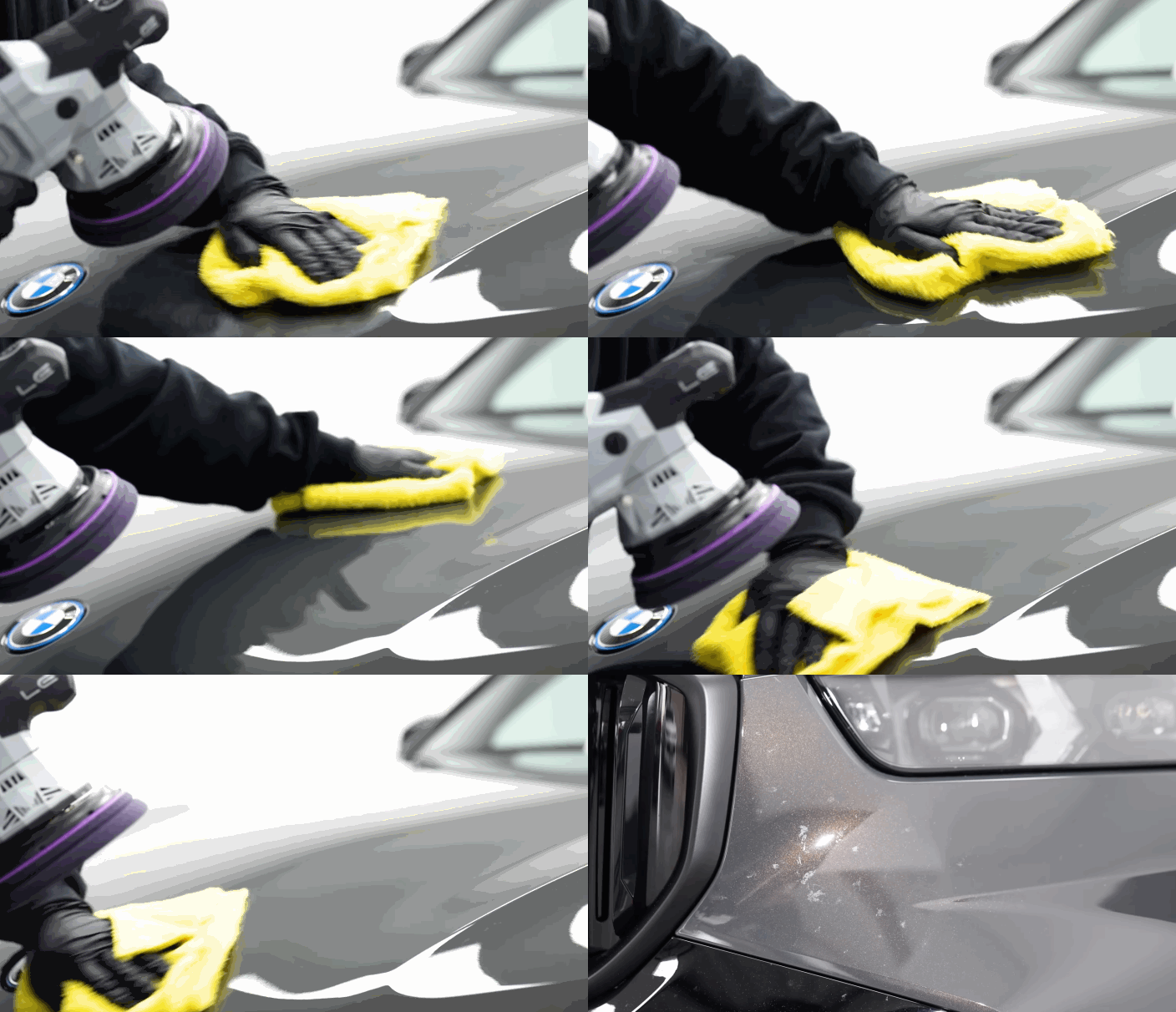
One of the first physical changes drivers tend to notice when a Ceramic Coating begins to weaken is how the paint feels to the touch. A properly performing coating creates a slick barrier over the clear coat, which is why vehicles treated with professional ceramic coating protection usually feel incredibly smooth after a wash.
That smoothness comes from the protective layer preventing contaminants from bonding directly to the paint. When the coating is working correctly, washing the vehicle typically restores the surface quickly, leaving the paint glossy and slick.
However, when the coating begins to degrade, that sensation changes. Instead of feeling smooth and glassy, the paint may start to feel slightly rough even after washing. The gloss may also appear less deep, and the finish may no longer reflect light as evenly as it once did.
At our shop, we often explain that this does not always mean the coating has completely failed. Sometimes contamination builds up on top of the coating and interferes with its performance. At T. Banks Window Tinting, we regularly inspect vehicles to determine whether the coating itself is wearing down or if the surface simply needs professional decontamination to restore proper Ceramic Coating performance.
When drivers start noticing that their vehicle no longer feels as slick after a wash, it is often a sign that the protective layer deserves a closer inspection.
Increased Appearance of Minor Scratches and Swirl Marks
Ceramic Coating helps create a protective barrier that can reduce the appearance of swirl marks and very light surface scratches. While coatings are not designed to make paint completely scratch proof, they do provide a layer of ceramic coating paint protection that helps minimize the effects of normal wear.
When that protection begins to weaken, small imperfections often become easier to see, especially under bright sunlight.
Drivers in Martinez frequently notice this effect because of how intense the Georgia sun can be. Under strong sunlight, minor swirl marks that were previously hidden by the coating’s gloss may begin to stand out more clearly. Vehicles that travel regularly between Martinez and Augusta are also exposed to road dust, debris, and daily driving conditions that gradually affect the paint surface.
As coatings wear down, drivers may begin noticing:
- Light swirl marks appearing more visible under sunlight
- Fine scratches showing up after regular washing
- Reduced gloss that previously helped mask imperfections
- A paint finish that no longer looks as deep or reflective
Over time, maintaining proper vehicle paint preservation becomes more difficult once the coating layer begins to break down. When those small imperfections start appearing more frequently, it can be an early indicator that the vehicle may eventually require ceramic coating reapplication to restore proper protection.
When Ceramic Coating Reapplication Becomes Necessary
Most professional Ceramic Coating systems are designed to last for several years, but even the most advanced coatings eventually reach the point where ceramic coating reapplication becomes necessary.
A coating’s lifespan depends on several factors, including environmental exposure, maintenance habits, and how frequently the vehicle is driven. Drivers in Martinez experience a mix of environmental conditions that can gradually impact protective coatings over time.
Several factors influence how long a coating continues performing effectively:
- Climate exposure from strong sunlight, humidity, and seasonal pollen common throughout Columbia County.
- Washing techniques that may either preserve or slowly wear down the coating.
- Daily driving conditions, especially for vehicles commuting along Washington Road or I-20 toward Augusta.
- Storage habits, such as whether the vehicle is garaged or parked outside most of the time.
Because every vehicle experiences these factors differently, determining when ceramic coating reapplication is necessary usually requires professional evaluation.
At T. Banks Window Tinting, we inspect coatings to determine whether a maintenance treatment can restore hydrophobic performance or whether the protective layer has reached the stage where a full ceramic coating reapplication will provide the best long-term automotive paint protection solutions.
Taking action at the right time helps ensure the paint continues receiving the protection it was originally designed to have.
Why Professional Evaluation Matters for Ceramic Coating
Diagnosing the condition of a Ceramic Coating is not always straightforward. While some signs are easy to notice, others require a trained eye and proper inspection techniques to evaluate correctly.
In many cases, what appears to be coating failure may simply be contamination sitting on top of the surface. This buildup can temporarily reduce hydrophobic behavior and gloss, even though the coating itself is still intact.
Professional evaluation helps determine which of the following situations is actually happening:
- The coating is still healthy but needs proper surface decontamination
- The coating requires maintenance treatment to restore hydrophobic behavior
- The coating has partially worn down and needs corrective preparation
- The coating has reached the stage where ceramic coating reapplication is recommended
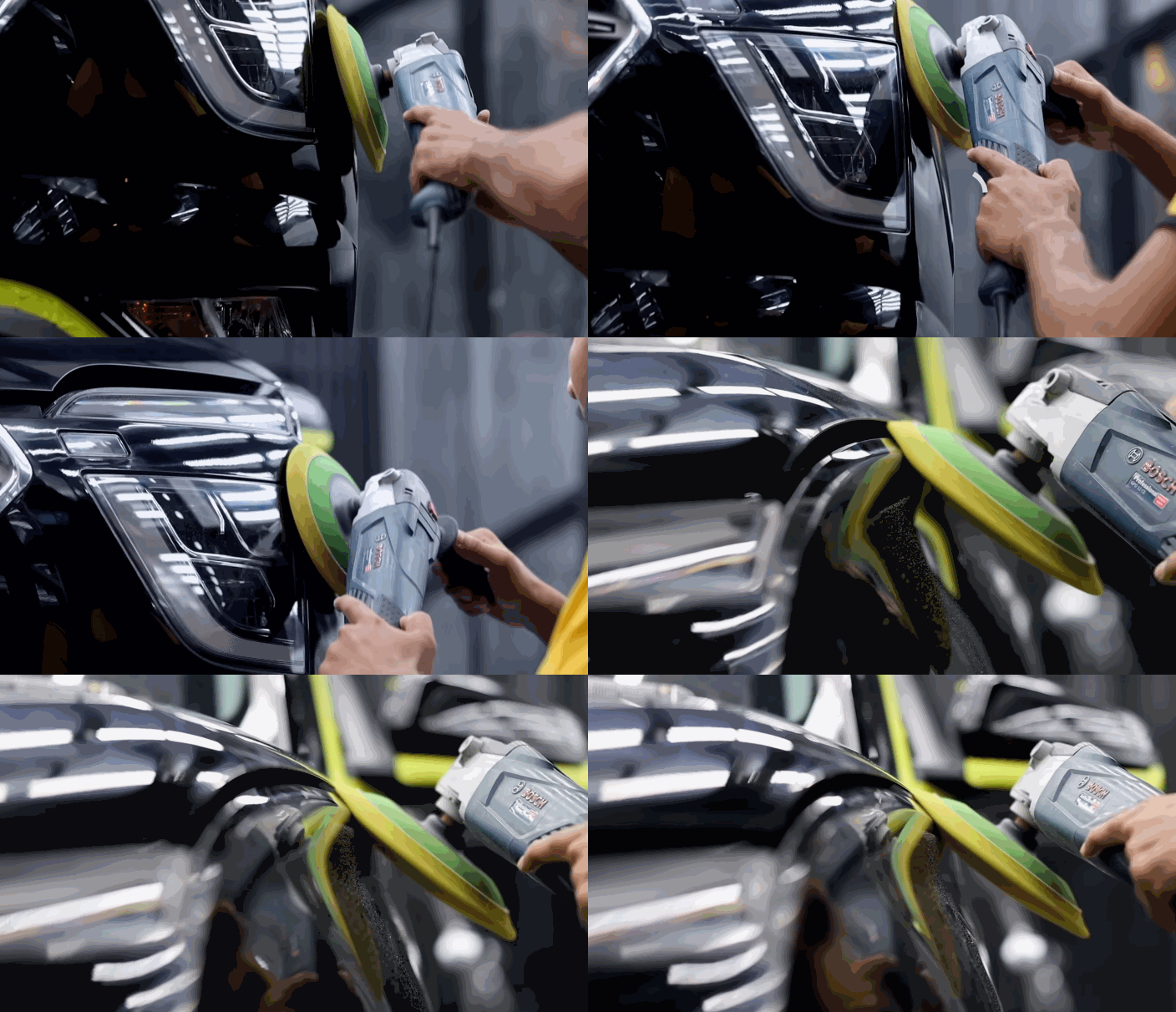
Attempting to solve these issues without proper techniques can sometimes damage the paint. Improper polishing or aggressive cleaning methods may remove the remaining protective layer or create additional swirl marks.
That is why many vehicle owners choose to have their coatings evaluated by experienced installers. At T. Banks Window Tinting, we help drivers understand exactly what their vehicle needs so they can maintain reliable Ceramic Coating protection for the long term.
Proper evaluation ensures the right solution is applied while preserving the condition of the vehicle’s paint.
Conclusion: Keeping Your Ceramic Coating Working at Its Best
Ceramic Coating is one of the most effective ways to protect automotive paint, but recognizing when the coating begins to weaken is essential for maintaining its benefits. Signs such as reduced water beading, increased contamination buildup, loss of surface smoothness, and more visible swirl marks often indicate that the protective layer is gradually losing effectiveness.
Paying attention to these early warning signs allows drivers to address the issue before the paint itself begins to deteriorate. Regular maintenance and timely ceramic coating reapplication help preserve gloss, improve cleaning performance, and maintain long-term paint protection.
In a place like Martinez, where vehicles face intense sun exposure, seasonal pollen, humidity, and everyday highway driving around the Augusta area, keeping that protective layer strong can make a significant difference in how well a vehicle ages over time.
If you believe your Ceramic Coating may be losing effectiveness, our team at T. Banks Window Tinting would be happy to help. We can inspect the condition of your vehicle, determine whether maintenance or ceramic coating reapplication is needed, and provide the professional protection your paint deserves. Contact us today to schedule an inspection and keep your vehicle looking its best for years to come.
T. Banks window tinting address
4.8 ⭐⭐⭐⭐⭐ 268 Google reviews Window tinting service in Martinez, Georgia