Window tint is built to last, but it’s not designed to last forever, especially in Georgia. Between intense sun exposure, high temperatures, and year-round UV radiation, automotive window tint in this region works harder than it would in cooler climates. Over time, that exposure naturally affects how the film performs and looks.
Wear is normal and expected. Replacing window tint is simply part of responsible long-term vehicle care, not a sign that something failed prematurely. Just like tires or brake components, window tint reaches a point where replacement restores comfort, visibility, and protection. As installers and drivers ourselves, we rely on window tint daily and understand how much value it adds when it’s performing correctly.
Driving around Martinez and the Augusta area means frequent sun exposure, outdoor parking, and long summer days where vehicles heat up quickly. At T. Banks Window Tinting, we work with these conditions every day, helping local drivers recognize when replacement makes sense and when their tint is still doing its job.
Why Window Tint Wears Out Faster in Georgia
Georgia’s climate accelerates the aging process of window tint more than many drivers expect. Constant heat causes expansion and contraction in automotive glass, while humidity and UV exposure gradually break down tint materials over time.
Southern climates are especially demanding on car window tint because vehicles are exposed to strong sunlight for extended periods throughout the year. Unlike cooler regions, where tint gets seasonal breaks, Georgia vehicles experience consistent stress on the film, particularly during long summers in Martinez.
Local weather patterns play a big role here. High daytime temperatures, direct sun while parked, and repeated heat cycles all contribute to gradual film breakdown. Even quality window tint will show wear eventually, especially when exposed to Georgia’s climate year after year.
Loss of Clarity and Visual Distortion
One of the earliest and most noticeable signs that window tint may need replacement is a change in clarity. Tint should always remain clear and consistent when you’re looking through the glass, regardless of lighting conditions.
Over time, aging tint may begin to show issues such as:
- Haze or cloudiness that wasn’t present when the tint was new
- Slight distortion when sunlight hits the glass at certain angles
- Reduced visibility during early morning or late afternoon driving
These changes affect more than appearance. Reduced clarity can impact visibility and overall driving comfort, especially during bright Georgia days. From our experience, clarity issues are often one of the first indicators that replacement should be considered.
Reduced Heat Rejection and Interior Comfort
Window tint is designed to manage heat and UV exposure, but that performance can decline as the film ages. In Martinez, many drivers notice this when their vehicle no longer feels as comfortable during peak summer heat as it once did.
As window tint wears, its ability to block heat and UV rays gradually diminishes. This doesn’t happen overnight, which is why many drivers adjust to the change without realizing performance has dropped. Over time, interior temperatures rise faster, and the cabin feels less protected from direct sunlight.
Automotive window tint and UV protection play a major role in daily comfort in Georgia. When heat rejection declines, replacement restores that protection and brings back the comfort drivers expect during long, hot drives.
Fading, Discoloration, or Uneven Appearance
Fading and discoloration are some of the most common signs that window tint is nearing the end of its usable life, especially in a climate like Georgia’s. Constant sun exposure gradually breaks down the dyes and materials within the film, causing noticeable changes in color and consistency over time.
In Martinez, this issue shows up frequently on vehicles that spend long hours parked outdoors, whether at work, at home, or while running daily errands around the Augusta area. Windows that face direct sunlight for most of the day tend to age faster, which leads to uneven performance across the vehicle.
How fading usually shows up over time
Tint that appears lighter or washed out compared to when it was first installed
Color shifts that make different windows look mismatched
Uneven performance where some windows block heat better than others
While fading is easy to notice visually, it’s not just an appearance issue. Discoloration often indicates that the window tint is losing its ability to block heat and UV rays effectively. When uniformity is gone, performance usually isn’t far behind.
That’s why we always treat fading and uneven appearance as functional concerns tied to long-term vehicle care. Replacing aging window tint at this stage helps restore consistent protection and comfort, rather than waiting for more advanced issues to develop later.
Bubbling, Peeling, or Edge Wear
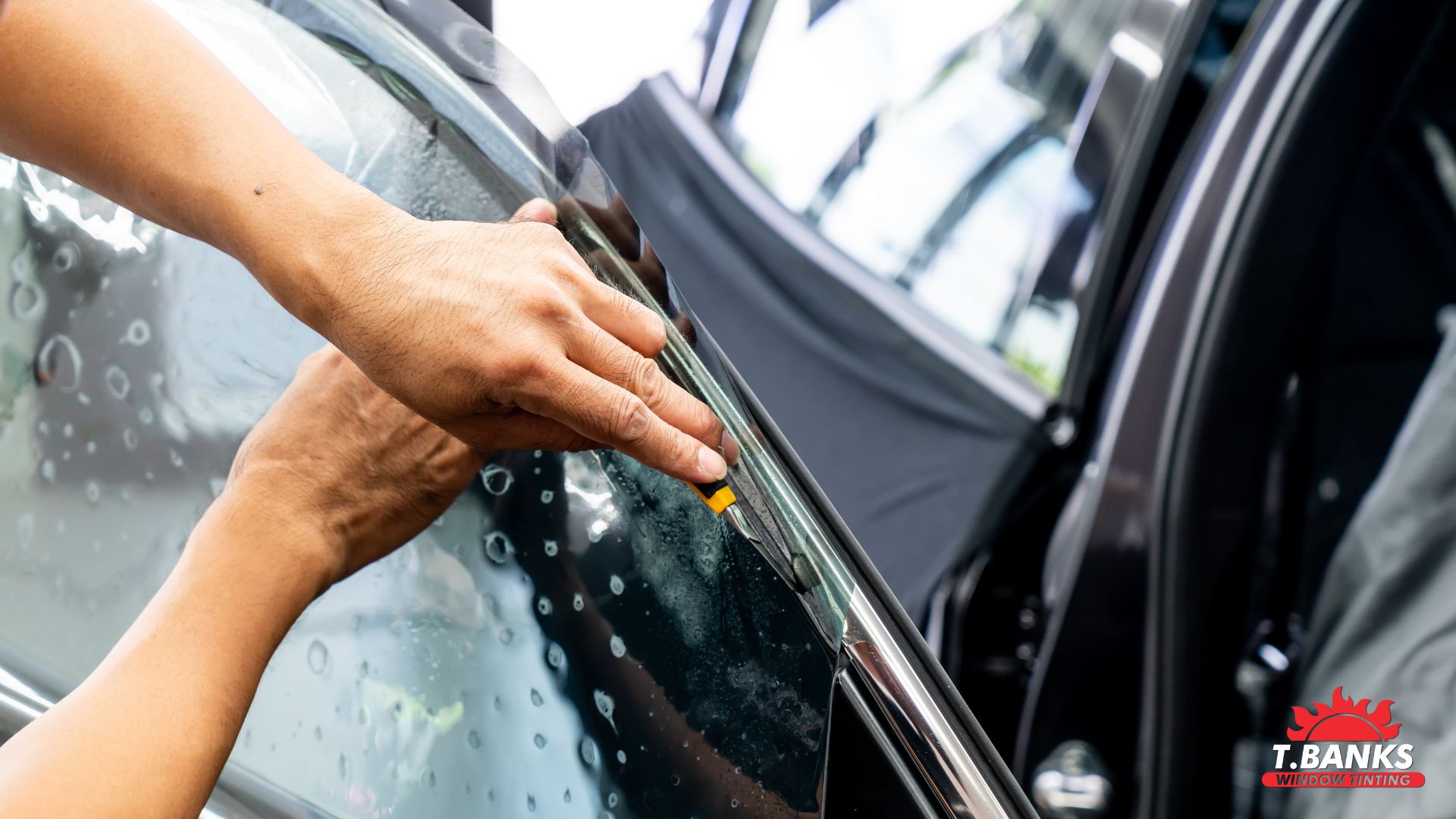
As window tint reaches the later stages of its lifespan, bonding issues can begin to appear. In Georgia’s heat, the constant expansion and contraction of automotive glass puts stress on the film and its adhesive layer. Over time, that stress becomes visible.
Common signs related to bonding and edge wear include:
- Small bubbles forming between the film and the glass
- Peeling along the edges where heat exposure is most intense
- Lifting corners caused by repeated heat cycles
These issues usually mean the window tint has reached a point where replacement makes more sense than repair. In a climate like Martinez, patching aging film rarely restores long-term performance. At T. Banks Window Tinting, we help local drivers evaluate whether edge wear or bubbling is simply cosmetic or a clear sign that replacement is the smarter option.
How Poor or Aging Window Tint Installation Shows Over Time
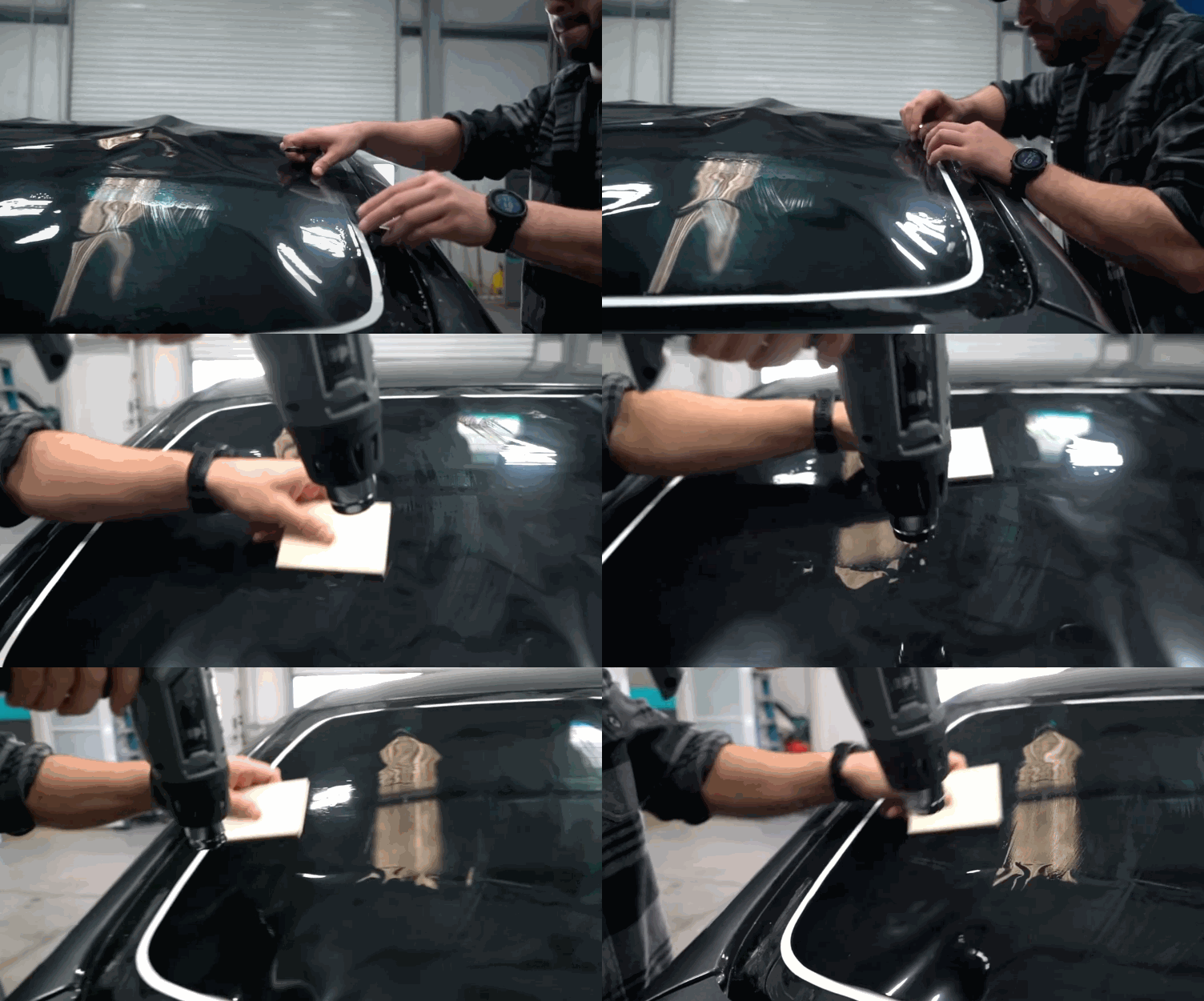
Installation quality plays a major role in how window tint ages. Even high-quality film can show premature wear if the window tint installation wasn’t handled with proper preparation, alignment, and curing conditions.
Over time, rushed or improper installation tends to reveal itself through earlier performance decline, uneven adhesion, or reduced durability. These issues often don’t appear immediately, but Georgia’s climate accelerates the process, especially during long, hot summers.
We always focus on precision, clean preparation, and proper curing because those details determine how window tint performs years down the road. This section of the process is about consistency and long-term results, not shortcuts.
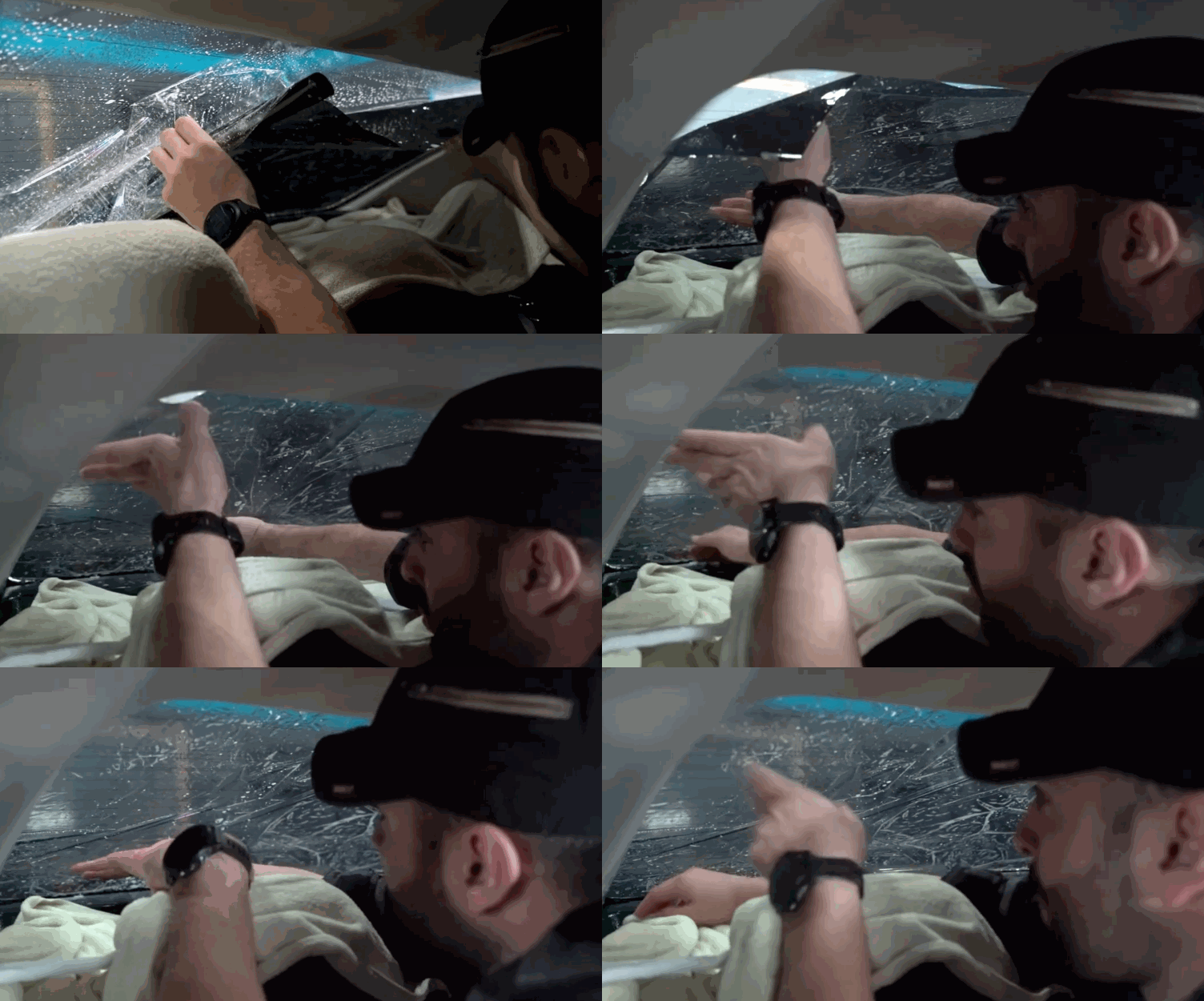
How We Help Martinez Drivers Decide When Replacement Makes Sense
Every vehicle we see is a little different, which is why our approach starts with evaluation and education. We take the time to look at how the vehicle is used, where it’s parked, and how long the tint has been exposed to local conditions before recommending replacement.
Local driving habits around Martinez and Augusta matter. Daily commutes, highway driving, and outdoor parking all influence how quickly window tint wears. By understanding those factors, we can give realistic guidance instead of one-size-fits-all advice.
Years of working with Martinez-area vehicles have shown us how window tint behaves in this environment. That experience helps us guide drivers toward the right timing for replacement without pushing unnecessary work. This is where T. Banks Window Tinting becomes a resource, not just an installer.
Is Replacing Window Tint Worth It for Long-Term Ownership?
Replacing window tint is best viewed as preventative maintenance rather than a reactive fix. When aging tint is replaced at the right time, drivers restore comfort, visibility, and interior protection before performance drops further.
In Georgia, consistent heat and UV exposure make window tint an important part of long-term vehicle ownership. Fresh tint improves cabin comfort, reduces interior wear, and makes daily driving easier during long summers.
When paired with professional window tint installation, replacement delivers value that extends well beyond appearance. For most Georgia drivers, it’s a practical decision that pays off over years of ownership.
Conclusion: Talk to Us About Window Tint Replacement in Martinez, GA
Bubbling, fading, reduced heat rejection, and clarity issues are all signs that window tint may be nearing the end of its lifespan. In Martinez, climate, daily usage, and installation quality all work together to determine when replacement becomes necessary.
Professional window tint installation ensures new film performs properly under Georgia conditions and delivers long-term comfort and protection. At T. Banks Window Tinting, we understand these local challenges because we work with them every day.
If you’re unsure whether your current tint still meets your needs, feel free to contact us today at T. Banks Window Tinting. We’re happy to evaluate your vehicle and help you choose the right window tint replacement for driving in Martinez and the surrounding Augusta area.
T. Banks window tinting address
4.8 ⭐⭐⭐⭐⭐ 268 Google reviews Window tinting service in Martinez, Georgia